As an Amazon Associate, I earn from qualifying purchases at no extra cost to you.
How to Clean Your Dishwasher with Vinegar and Baking Soda

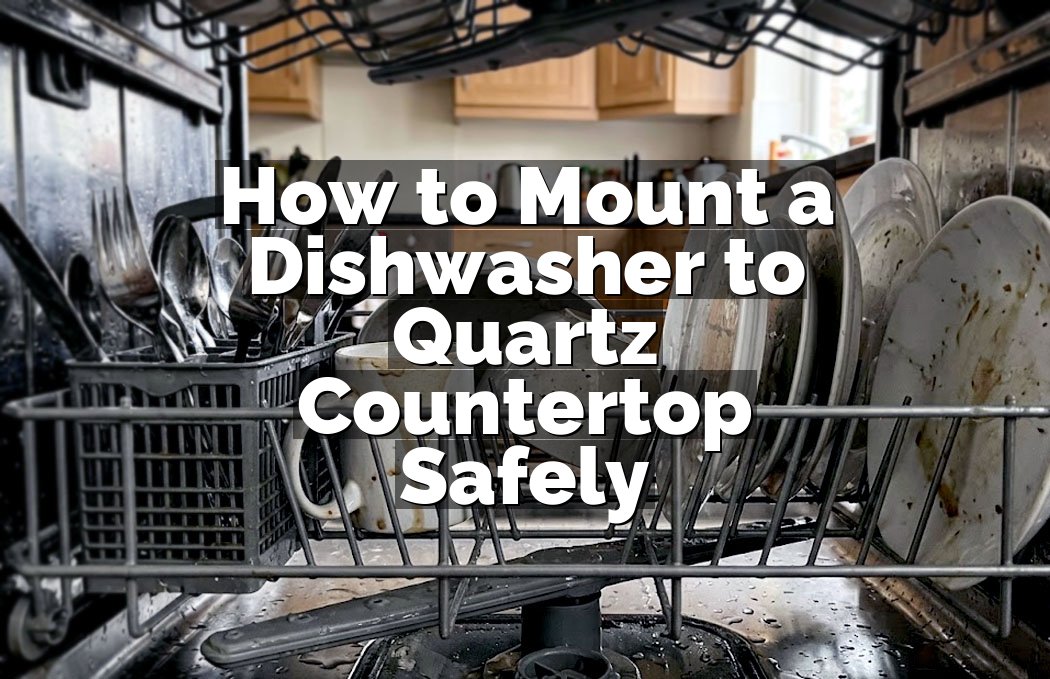
Grease and grime build up inside the dishwasher over time, causing it to smell and not clean dishes properly. This situation is frustrating, especially when you thought you had a machine that did the hard work for you. I know how annoying that can be, and I promise to show you exactly how to fix it with common household items.
This cleaning process usually takes about an hour of active work, plus the time for the dishwasher cycles. You’ll need white vinegar, baking soda, and a little bit of patience. The core steps involve a vinegar rinse, followed by a baking soda scrub, and then a final hot water cycle to leave your machine fresh and ready. You will have a cleaner, better-smelling dishwasher.
What Happens Inside Your Dishwasher Over Time
Dishwashers work hard, but that work creates buildup. Left unchecked, this gunk makes the machine less effective. You need to know why this happens before you can fix it.
Food Particle Accumulation
Food bits and grease from dirty dishes get caught inside. These particles eventually stick to the bottom, sides, and spray arms. Your dishwasher can only do so much to wash itself clean.
Soap Scum Residue
Detergent, especially if you use too much or have hard water, leaves a film. This white, chalky residue coats everything inside. It dulls the shine on your dishes and inside the machine.
Hard Water Stains
Minerals in your water, like calcium and magnesium, can leave spots. Over time, these spots build up into crusty layers. You might see them on the spray arms or the door seal.
Odor Development
All this leftover food, soap, and mineral buildup starts to smell. Trapped moisture feeds bacteria, creating that sour, unpleasant odor. You notice it most when you open the door.
Component Clogging
The filter, drain hose, and spray arm nozzles can all get blocked. A clogged filter means food particles don’t get removed. Blocked spray arms mean water doesn’t reach all your dishes.
Why Regular Cleaning Matters
A clean dishwasher means cleaner dishes. It also helps the machine run more efficiently, using less water and energy. You’ll also prevent bigger problems down the road.
Your dishwasher needs a refresh every few months.
- Vinegar helps break down grease and mineral deposits.
- Baking soda tackles tough stains and odors.
- A hot water cycle rinses everything away.
- Don’t forget the door seal.
- Clean the filter regularly.
- Ensure spray arms can spin freely.
✅ Also Read: How to Clean Your GE Dishwasher Filter the Easy Way
How to Clean Your Dishwasher with Vinegar and Baking Soda
This process uses two common cleaners to get your dishwasher sparkling. It tackles both the buildup and any nasty smells you might be dealing with. You are going to run two separate cycles.
Prepare the Dishwasher
First, you need to remove any large food debris. Empty the dishwasher completely and check the bottom for any loose bits. If your machine has a removable filter, take it out now. You will want it clean for the next step.
Run a Vinegar Cycle
Pour one cup of white vinegar into a dishwasher-safe bowl or measuring cup. Place this bowl on the top rack of your empty dishwasher. Run the dishwasher on a normal or heavy-duty cycle. The vinegar will help break down grease and hard water stains.
Scrub Toughest Areas
Once the vinegar cycle is finished, sprinkle about one cup of baking soda all over the bottom of your dishwasher. You can even scrub any tough spots, like the inside of the door or the bottom, with a damp cloth or soft brush. Focus on any visible grime or stains.
Run a Hot Water Rinse
Close the dishwasher door and run it again on a short, hot water cycle. This final rinse will wash away the baking soda residue and any lingering debris. You should notice a cleaner smell already.
Clean the Door Seal
Use a damp cloth, perhaps with a little vinegar, to wipe down the rubber seal around the door. This area often traps food and grime, contributing to odors. Make sure you get into all the nooks and crannies.
Check Spray Arms
Ensure the spray arms can spin freely. If they feel stiff or clogged, you can often remove them and soak them in vinegar. Use a toothpick or a thin wire to clear any blocked holes in the arms.
You’ve got this. This simple two-step cleaning process will leave your dishwasher looking and smelling much better. Vinegar and baking soda are powerful, safe cleaners for the job.
Best Products for Dishwasher Cleaning
Using the right supplies makes this job easier and more effective. While vinegar and baking soda are great, some specialized products can help too. You should consider what works best for your machine.
Commercial Dishwasher Cleaners
There are many products made specifically for cleaning dishwashers. These often contain stronger degreasers or descalers. They are designed to break down tough buildup quickly.
Natural Cleaning Agents
Besides vinegar and baking soda, some people use lemon juice or citric acid. These natural acids can also help break down mineral deposits. They offer a good alternative if you prefer not to use vinegar.
Microfiber Cleaning Cloths
Good quality cloths are essential for wiping down surfaces. Microfiber is great because it grabs dirt and grime without scratching. You will use these for the door seal and any tough spots.
Small Scrub Brush
A narrow brush, like an old toothbrush or a specialized cleaning brush, is useful. It helps you scrub away grime in tight corners or around the spray arm nozzles. Your hands can’t always reach these spots.
Dishwasher Repair Tools
Sometimes, a clogged spray arm or filter needs more than just a quick wipe. Having a small pick or wire can help clear stubborn blockages. You might need this for deep cleaning.
Protective Gear
Wearing rubber gloves is a good idea, especially when handling cleaning solutions. It protects your hands from the vinegar and any other cleaning agents. Your skin can get dry or irritated otherwise.
Using the right tools will make this task much simpler.
- Always check your dishwasher manual first.
- Vinegar can degrade rubber seals over long periods if overused.
- Baking soda is a mild abrasive.
- Do not mix vinegar and baking soda directly in the machine’s dispenser.
- Run a final rinse cycle to remove all traces.
- Ensure the dishwasher is completely empty before starting.
Common Cleaning Mistakes
People often make small errors that stop their dishwasher from getting truly clean. Avoiding these common slip-ups will ensure you get the best results. You want your machine to shine.
Neglecting the Filter
The dishwasher filter is a prime spot for trapped food and grease. If you do not clean it regularly, it blocks water flow and causes odors. It is usually the first place you should check.
Ignoring the Door Seal
The rubber gasket around the door traps a lot of gunk. Food particles and mold can hide here, leading to bad smells and poor sealing. You must wipe this down thoroughly.
Overusing Harsh Chemicals
Some people reach for strong chemical cleaners. These can damage internal components or rubber seals over time. Stick to gentler, proven methods like vinegar and baking soda.
Not Running Full Cycles
Running short cycles or not using hot water can leave cleaning agents behind. This leaves residue and doesn’t fully rinse away the loosened grime. You need that hot water to do its job.
Forgetting the Spray Arms
Clogged spray arm holes mean water doesn’t reach all the dishes. You might have dirty spots on your plates even after a wash. Clearing these holes is an important step.
Skipping Regular Maintenance
Cleaning your dishwasher should not be a once-a-year event. Doing it every few months keeps it running efficiently and smelling fresh. Your machine will thank you for it.
Avoid these common errors for a cleaner machine.
- Always remove large debris before cleaning.
- Scrub stubborn spots gently.
- Never use abrasive pads on stainless steel interiors.
- Check your owner’s manual for specific cleaning instructions.
- Run the hottest cycle available.
- Dry the interior thoroughly if possible after cleaning.
Dishwasher Maintenance Tips
Keeping your dishwasher clean means more than just an occasional deep clean. Regular, simple maintenance can prevent buildup and keep it running smoothly. You should adopt these habits.
Wipe Down Regularly
After unloading, take a quick moment to wipe the door seal. Use a damp cloth to get any food particles. This prevents them from hardening and smelling.
Check the Filter Weekly
Make it a habit to check the filter once a week. Even if you do not clean it, just seeing if it is overloaded helps. You can quickly rinse it if needed.
Use Dishwasher Salt
If you have hard water, using dishwasher salt can make a big difference. It helps prevent mineral buildup inside the machine and on your dishes. Your machine will last longer.
Run Hot Cycles Often
Periodically run a hot water cycle, even if your dishes don’t require it. This helps keep the internal components clean and washes away residual grease. It is a simple preventative measure.
Leave Door Ajar
After a cycle finishes, leave the dishwasher door slightly ajar. This allows moisture to escape and air to circulate. It helps prevent musty odors from developing.
Use Quality Detergent
Using a good quality detergent designed for dishwashers is important. It will clean dishes better and leave less residue. Poor quality detergent can contribute to buildup.
Regular care keeps your dishwasher in top shape.
- Use a proper detergent for your water type.
- Do not overload the machine.
- Scrape large food pieces off plates before loading.
- Ensure the spray arms spin freely.
- Consider a rinse aid if you have hard water.
- Follow the manufacturer’s maintenance schedule.
When to Call a Pro
Sometimes, a simple cleaning with vinegar and baking soda won’t fix the problem. If you’ve tried these steps and are still having issues, it might be time for professional help. You don’t want to make things worse.
Persistent Smells
If your dishwasher continues to smell bad after a thorough cleaning, there could be a deeper issue. This might involve a blocked drain line or a problem with the pump. These require specialized tools to fix.
Drainage Problems
If the machine still isn’t draining properly after cleaning the filter and checking the hoses, a technician can diagnose pump or valve failures. These parts often need replacement. You cannot fix these yourself easily.
Leaking Water
Water pooling around the dishwasher indicates a leak. This could be a faulty door seal, a crack in the tub, or a problem with hose connections. A pro can find the exact source of the leak.
Mechanical Failures
Unusual noises, such as grinding or humming, can point to motor or pump issues. If the spray arms aren’t spinning, or the cycles are not completing, a component may have failed. These repairs are often complex.
Error Codes Displayed
Modern dishwashers display error codes for specific problems. If you see one you cannot resolve with basic troubleshooting, consult the manual and then a technician. They can interpret these codes.
Dishwasher Drain Issues
When your dishwasher fails to drain, it leaves dirty water behind. This is a common problem that can stem from several sources. You need to understand these causes to fix it.
Clogged Drain Filter
The filter at the bottom catches food debris. If it’s packed with gunk, water can’t get past it. This is the most common reason for standing water.
Kinked Drain Hose
The flexible hose that carries water away can bend or kink. This stops water from flowing freely. You should check its entire length for any sharp bends.
Blocked Garbage Disposal
If your dishwasher drains into a garbage disposal, that might be the clog. Food waste can block the inlet port on the disposal unit. You may need to clear that first.
Faulty Drain Pump
The pump pushes water out of the dishwasher. If it is broken or jammed with debris, it won’t work. This often makes a humming sound when it tries to run.
Drain Valve Stuck
Some dishwashers have a valve that controls water flow to the drain. If this valve gets stuck closed, water stays inside. This is less common than other issues.
Dishwasher Drain Problem Diagnosis at a Glance
| Symptom or Problem | Most Likely Cause | First Fix to Try |
|---|---|---|
| Water sitting at the bottom | Clogged drain filter | Clean the dishwasher filter |
| Dishwasher not draining | Kinked drain hose | Straighten the drain hose |
| Dirty dishes, no drain | Blocked garbage disposal inlet | Clear the disposal inlet |
| Grinding noise, no drain | Jammed drain pump impeller | Inspect and clean drain pump assembly |
| Water backs up in sink | Clogged house drain pipe | Run hot water and cleaner down sink |
| Machine makes humming sound | Drain pump failure | Check for obstructions in pump |
| Cycle stops before draining | Faulty drain valve | Professional repair recommended |
| Water won’t leave machine | Pump motor burned out | Replace the drain pump |
| Smell and no drain | Severely clogged drain filter | Deep clean or replace the filter |
| Flooding after cycle | Broken drain hose | Replace the drain hose |
Frequently Asked Questions
How Do You Clean the Filter in a Dishwasher?
You will need to locate the filter, usually at the bottom of the tub. Most twist out counterclockwise. Rinse it thoroughly under running water, using a soft brush if needed, and then twist it back into place. Your filter should be clean.
Is Vinegar Bad for Dishwashers?
Vinegar is generally safe for most dishwashers when used occasionally. It helps break down mineral deposits and grease. However, frequent use could potentially degrade rubber seals over many years, so use it moderately.
Can I Use Bleach to Clean My Dishwasher?
It is best not to use bleach. Bleach can damage stainless steel interiors and rubber components. Stick to safer cleaners like vinegar and baking soda for regular cleaning. You want to protect your machine.
How Often Should You Clean Your Dishwasher?
You should aim to clean your dishwasher every 1 to 3 months. This frequency depends on how often you use it and how hard your water is. Regular cleaning prevents buildup and odors.
Does Baking Soda Really Clean a Dishwasher?
Yes, baking soda is effective for cleaning and deodorizing. Its mild abrasive nature helps scrub away grime, while its alkalinity neutralizes odors. You will notice a fresher smell after using it.
Will Vinegar Make My Dishwasher Smell Like Vinegar?
The vinegar smell is usually temporary. It dissipates quickly once the cycle is complete and the door is opened. You will likely notice a much fresher smell than before.
What If My Dishwasher Still Smells After Cleaning?
If odors persist, check the drain hose and pump for blockages. You may also have mold growing in less accessible areas. In this case, you might need to call a technician.
How Do I Deep Clean the Inside of My Dishwasher?
For a deep clean, manually scrub the interior walls, door seal, and spray arms after running a vinegar cycle. Follow up with a baking soda scrub and a final hot water rinse to remove all residue.
Final Thoughts
The machine has been cleaned, and you should notice a significant difference. It is always satisfying to fix something yourself with simple, effective methods. You have taken a great step towards better dishwashing.