As an Amazon Associate, I earn from qualifying purchases at no extra cost to you.
Garbage Disposal Not Working? No Sound? Here’s What to Do!

Have you ever found yourself standing in front of your garbage disposal, flipping the switch, and hearing… nothing? Total silence. Frustrating, right? You’re not alone. A silent garbage disposal is one of the most common problems homeowners face, but don’t worry—getting it back to life is easier than you think. Let’s dive into the reasons why your garbage disposal might not be making any sound and what you can do to fix it. This guide will help you troubleshoot, prevent future issues, and decide when it’s time to call in a pro. So, let’s roll up our sleeves and get started!

Common Causes of a Silent Garbage Disposal
When your garbage disposal isn’t making a sound, it’s easy to jump to conclusions and think it’s totally broken. However, there are many possible reasons for a silent disposal, and most of them are easy to fix. Let’s look at some of the most common causes for this problem.
Power Supply Issues
The first thing to check when your garbage disposal stops working is whether it’s actually getting power. While it may seem obvious, sometimes the simplest answer is the correct one. If the disposal isn’t turning on and there’s no sound, it could simply be unplugged or disconnected from the power supply.
If your garbage disposal is plugged in, but there’s still no power, check the power cord for any signs of damage. Sometimes, the cord can fray or become worn over time. If it looks damaged, you may need to replace the cord or hire an electrician to do so.
Tripped Circuit Breaker
If your garbage disposal is connected properly and the power supply seems fine, the next thing to check is the circuit breaker. Overloading your disposal or using it improperly can cause the circuit breaker to trip. If you’ve had a power surge or your disposal was working too hard (like trying to break down something too hard), the circuit breaker might have tripped and turned off the power to the disposal.
To check if the circuit breaker has tripped, go to your electrical panel and look for the breaker switch for the garbage disposal. If it’s in the “off” position, flip it back to “on.” If the breaker flips off again after trying, it could indicate an issue with the disposal’s wiring or the motor.
Faulty Wiring or Switch
Another culprit could be a faulty switch or wiring. If the power is getting to the unit but it still won’t work, you may have an issue with the electrical switch that controls the disposal. These switches can wear out over time, especially if they’ve been used heavily.
If you suspect the switch is the problem, you can try replacing it. If you’re unsure, it’s always best to call an electrician, as improper wiring can be dangerous.
Overloaded Disposal
Overloading your disposal with too many scraps or large, tough materials can cause it to stop working. If the motor tries to grind down too much at once, it can seize up or simply stop working. This may result in no sound when you flip the switch. The motor is designed to process food scraps, but overloading can lead to an overload of the motor, shutting it down to protect it from damage.
If you think your disposal has been overloaded, try resetting it (we’ll talk about that shortly). Always be mindful of what you put in the disposal and avoid putting tough items like bones, fibrous vegetables, or grease, as they can cause the motor to strain.
Jammed Disposal Mechanism
The garbage disposal’s mechanism can easily get jammed with hard debris like bones, fruit pits, or silverware. If something gets stuck inside the disposal, it could prevent the blades from turning, leading to a complete shutdown. A jammed disposal might be the main reason for the silence. You may be able to fix it yourself by manually turning the disposal or using a wrench to free the jam.
Don’t panic if your disposal is jammed. It’s a pretty common problem that can often be solved without a repairman.
Step-by-Step Troubleshooting Guide
Now that you know some of the potential causes of a silent garbage disposal, let’s walk through a simple troubleshooting process to get your disposal working again.
Check for Power to the Unit
The very first thing to do is make sure your garbage disposal is getting power. Go to your electrical panel and see if the breaker for the disposal has been tripped. If it has, reset it by flipping it back to “on.”
If the breaker is fine, check to ensure the disposal is plugged in. Sometimes, the plug can come loose or become disconnected. If it’s plugged in but still not working, it could be time to check the power cord for any damage or signs of wear.
Inspect the Circuit Breaker
If there’s no power, it’s time to check the circuit breaker. Locate the breaker labeled for the garbage disposal and flip it to “off” before resetting it to “on.” If the breaker trips again, this may indicate an electrical issue that needs professional attention.
If the breaker stays on but the disposal still doesn’t work, move on to checking the switch.
Test the Switch Functionality
Sometimes the issue lies in the switch that turns your disposal on. If the switch feels loose or unresponsive, or if it doesn’t make a click sound when pressed, it may be faulty. You can try replacing the switch to see if that resolves the issue. If you’re not comfortable doing this yourself, it’s a good idea to call an electrician.
Look for Obstructions in the Disposal
If you’ve ruled out electrical issues, the next thing to check is whether something is stuck inside the disposal. Often, a jammed mechanism is the cause of the problem. Use tongs or pliers (never your hands!) to remove any visible obstructions. Once you’ve cleared the disposal of debris, manually turn the disposal’s motor with a wrench or turn the blades using a wooden spoon handle. This will help free up any stuck items and allow the disposal to work properly.
Reset the Disposal
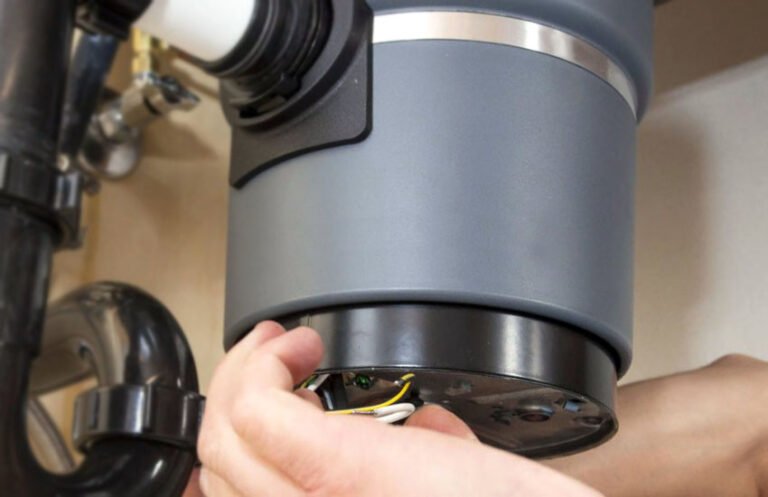
Most modern garbage disposals have a reset button located on the bottom of the unit. This button is a safety feature that prevents the motor from burning out if the disposal is overloaded or jammed. Once you’ve cleared any jams or checked the power, press the reset button and try turning the disposal back on. You should hear the sound of the motor starting if everything is working correctly.
How to Prevent Future Issues with Your Garbage Disposal
Now that you’ve successfully diagnosed and fixed your garbage disposal, you probably don’t want to deal with this problem again in the future. Here are some tips on how to maintain your garbage disposal to ensure it keeps working for years to come.
Regular Maintenance and Cleaning
Just like any other appliance, garbage disposals need regular maintenance. One of the best ways to keep your disposal in tip-top shape is by cleaning it regularly. You can clean the disposal by running hot water and adding a little dish soap or using a special disposal cleaner. Cleaning it out will help prevent odor build-up and keep the blades working properly.
Another easy method is to grind up ice cubes in the disposal. This can help clean the blades and remove any stuck grime. You can also grind up a small amount of citrus peels, like lemon or orange, to freshen up the disposal and keep it smelling good.
Avoid Overloading the Disposal
As we mentioned earlier, overloading your garbage disposal is one of the main reasons it can stop working. Always be mindful of how much waste you’re putting down the drain. Avoid putting large amounts of food scraps at once and try to break down tougher items like bones and fibrous vegetables before discarding them. The less strain you put on the disposal, the longer it will last.
Proper Disposal Practices
Avoid putting certain materials in the disposal to prevent problems. These include grease, oil, bones, and large chunks of food. All of these can cause clogs, jams, or damage to the motor. For best results, only dispose of food scraps like vegetable peels, small fruit pits, and soft leftovers.
Routine Inspections
Performing routine inspections is a great way to catch potential issues early. Check your disposal for any visible damage or leaks, and listen for any unusual sounds. If you notice anything out of the ordinary, it’s better to fix it right away before the problem becomes worse.
Install a Surge Protector
A surge protector can be a great addition to your garbage disposal setup. If there’s a power surge, the surge protector will absorb the excess energy and protect your disposal from electrical damage. This can save you a lot of headaches down the road.
When to Call a Professional for Garbage Disposal Repair
While many common issues with garbage disposals are easy to fix yourself, there are times when you may need to call in a professional. Here’s when it’s best to hire an expert:
Persistent Electrical Problems
If your garbage disposal continues to trip circuit breakers or you suspect there’s a serious electrical issue, it’s time to call an electrician. Electrical issues can be dangerous and should not be tackled by someone who isn’t qualified.
Complex Mechanical Failures
If your garbage disposal has a mechanical issue, like a motor failure or internal damage, it’s best to call a professional. Trying to fix complex mechanical issues yourself can make the problem worse.
Unresolved Jamming Issues
If the disposal keeps jamming, even after you’ve tried clearing debris and resetting it, there may be an underlying issue with the motor or blades. A pro will be able to properly diagnose and fix the issue.
Leaking or Broken Parts
If you notice any leaks around your disposal or broken parts, don’t wait to get them fixed. Leaking water can cause damage to your sink and surrounding areas, leading to bigger, more costly repairs. A professional plumber can replace broken parts and stop the leaks.
No Improvement After Troubleshooting
If you’ve gone through the troubleshooting steps and nothing seems to help, it’s time to call a pro. They can identify issues that may be hard for an untrained person to detect and provide a lasting solution.
I hope this guide has helped you troubleshoot and fix your garbage disposal! Taking care of it with regular maintenance can save you money and time. Keep an eye on what goes into the disposal, and you should have it running smoothly for years to come!
Frequently Asked Questions
Is it safe to use a garbage disposal if it’s making strange noises?
If your garbage disposal is making strange noises, it could be a sign of a jam or something stuck in the blades. It’s a good idea to turn it off and inspect it for any obstructions.
Can I use a garbage disposal without water running?
It’s not recommended to use the garbage disposal without water. The water helps flush food particles through the pipes and prevents the disposal from overheating.
Do I need to turn off the power before cleaning my garbage disposal?
Yes, always turn off the power before cleaning your garbage disposal to avoid any accidents. You can do this by unplugging the disposal or switching off the circuit breaker.
Is it okay to put coffee grounds in a garbage disposal?
Coffee grounds can create sludge and cause clogs in your pipes, so it’s best to avoid putting them down the disposal. Instead, throw them in the trash or compost them.
Can a garbage disposal get clogged with grease?
Yes, grease can solidify and cause clogs in your disposal and pipes. It’s best to dispose of grease in the trash rather than putting it down the sink.
Do I need to replace my garbage disposal if it’s not working?
Not necessarily. Many issues with garbage disposals can be fixed with simple troubleshooting. If the problem persists, you may need to replace parts, or the whole unit may need to be replaced if the motor is damaged.
Is it dangerous to fix a garbage disposal myself?
Fixing a garbage disposal can be safe if you follow the proper steps and safety precautions, like turning off the power. However, if you’re unsure, it’s always best to call a professional.
Can I prevent odors in my garbage disposal?
Yes! Regular cleaning, grinding citrus peels, and running hot water can help keep your garbage disposal smelling fresh. Avoid putting food scraps like grease and oil down the drain.