As an Amazon Associate, I earn from qualifying purchases at no extra cost to you.
6 Best Philips Espresso Machines (Buying Guide) 2026

Picking the right espresso machine is harder than it looks. There are so many options, and most reviews just list specs without telling you what actually matters. In this article, I will show you the top 6 best Philips espresso machines, what makes each one different, and which one fits your life best.


Top 6 Best Philips Espresso Machines You Can Buy Now
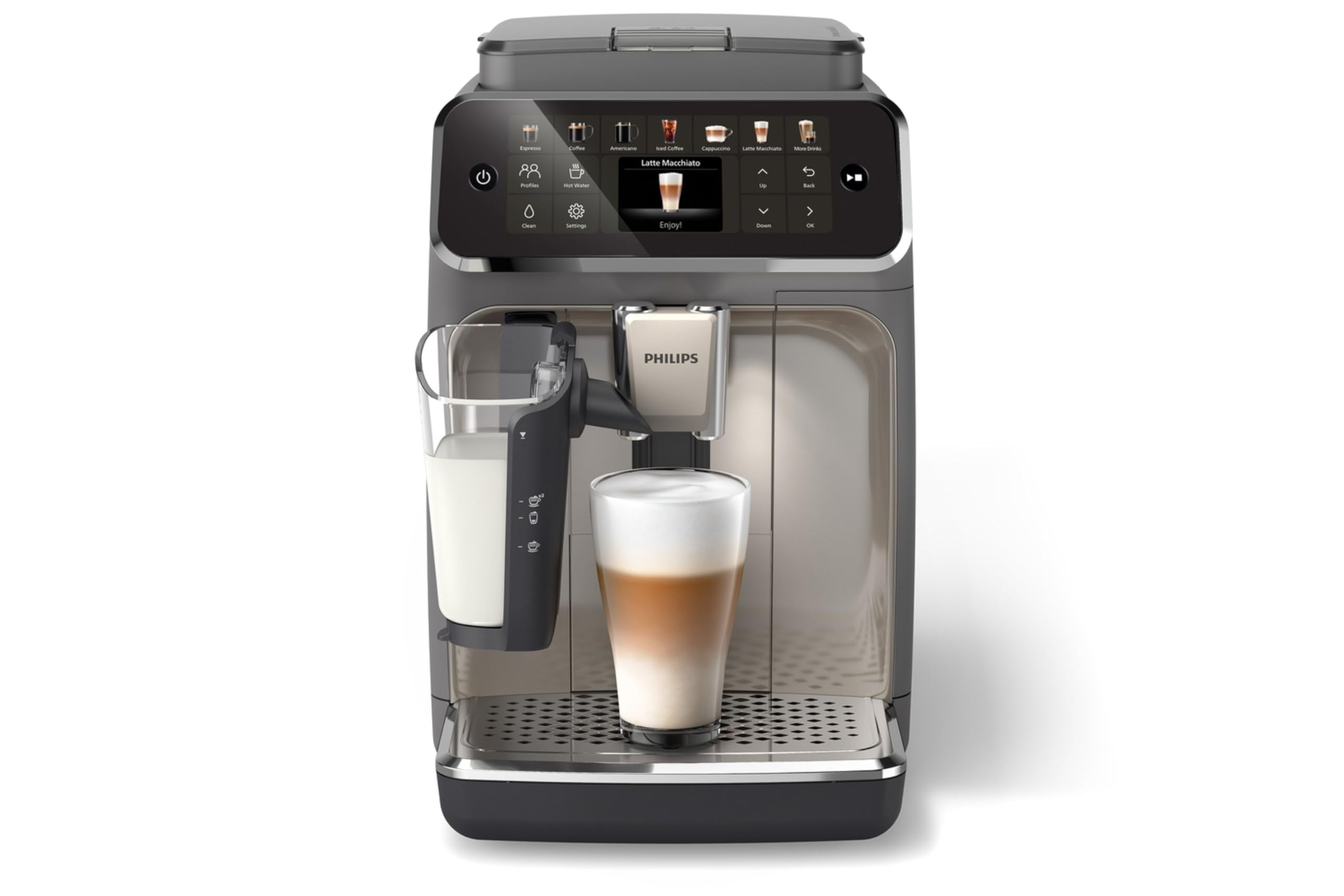
Philips 3200 Series Fully Automatic Espresso Machine – Best Overall Pick
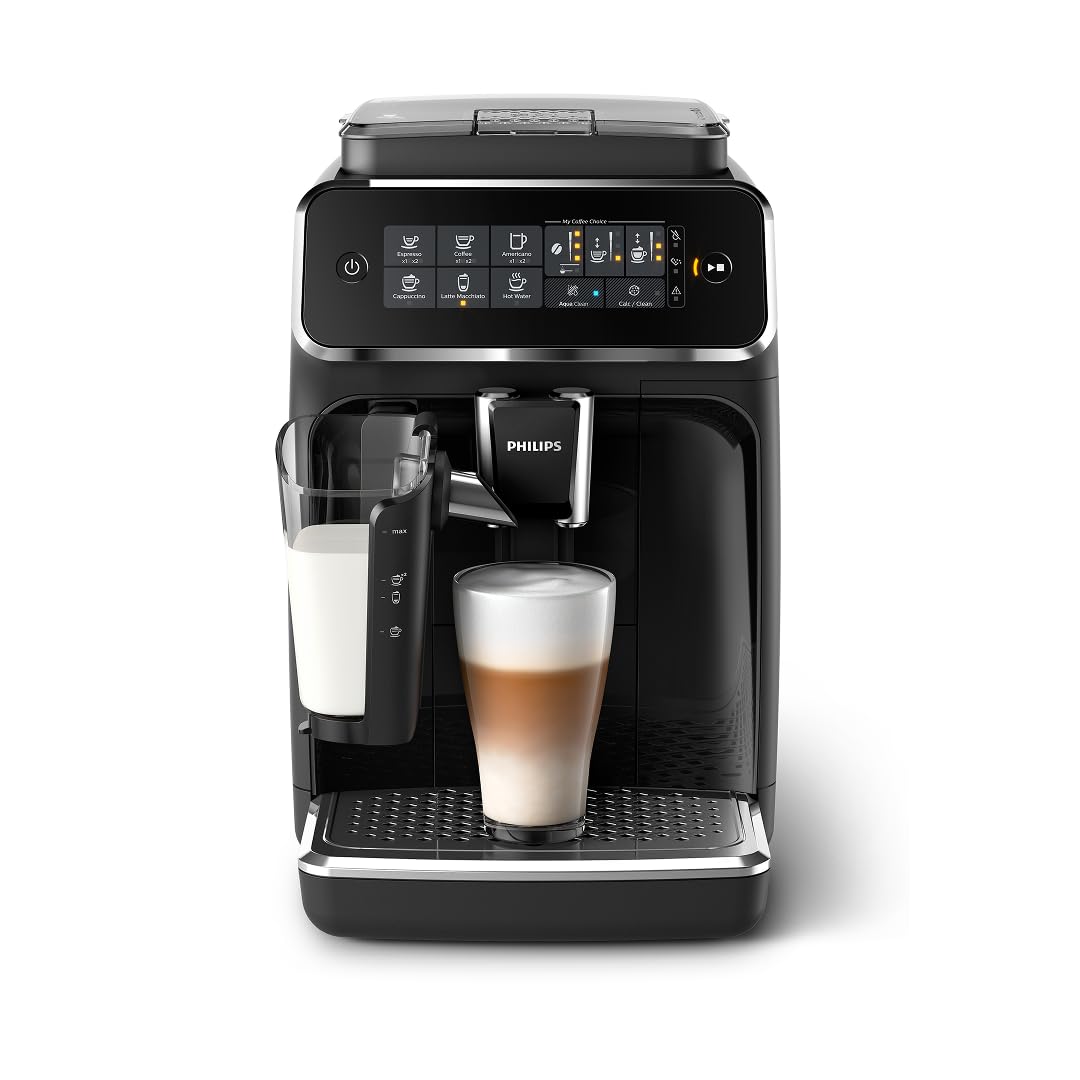
The Philips 3200 is the machine I recommend most often. It hits that sweet spot between features and price. You get a fully automatic setup, so no guessing, no mess, no barista skills needed. Just press a button and you get real espresso.
The LatteGo milk system is the star here. It uses just two parts, so cleaning takes about 10 seconds. Seriously. No tubes, no frother parts hiding milk residue. You rinse it under the tap and you’re done. That matters when you’re making coffee every single morning.
The built-in ceramic grinder is quiet and reliable. Ceramic lasts longer than steel and doesn’t heat up the beans. You can adjust the grind from coarse to fine, which changes your espresso strength a lot. Most people find their sweet spot within a week.
The 3200 also has an adjustable aroma strength. Five settings, from mild to extra strong. If you like a lighter morning cup or a strong afternoon shot, you can dial it in easily. Water tank holds 1.8 liters. Big enough for multiple drinks before refilling.
- Milk system: LatteGo (2-part, easy clean)
- Grinder: Ceramic, 12 settings
- Drinks: Espresso, coffee, cappuccino, latte macchiato
- Water tank: 1.8L
- Best for: Daily home use, beginners and intermediate users
Philips 5500 Series Fully Automatic Espresso Machine – Best for Coffee Lovers Who Want More
The 5500 is where things get serious. If you drink multiple types of coffee throughout the day, this machine handles all of it without breaking a sweat. It comes with SilentBrew technology, which keeps the noise down even at 6 a.m. Your family will thank you.
What sets the 5500 apart is the 12 drink presets. Espresso, ristretto, lungo, cappuccino, latte, flat white. You name it, it’s probably on there. The machine also remembers your preferences. Set your strength and temperature once, and it stays that way every time.
The milk carafe is integrated. That means the milk sits right on the machine, connected to the system. You don’t carry around a separate jug. When you want a latte, the machine pulls milk, froths it, and delivers it in one go. Clean up is still easy because the carafe pops off.
The AquaClean filter is a nice touch too. It filters the water before brewing, which protects the machine and improves taste. You can make up to 5,000 cups before descaling. That’s years of coffee without the hassle of running descaling cycles every few months.
- SilentBrew: Yes, very quiet
- Drinks: 12 presets
- Milk system: Integrated carafe
- AquaClean filter: Up to 5,000 cups
- Best for: High-volume home use, coffee variety fans
Philips 1200 Series Fully Automatic Espresso Machine – Best Budget-Friendly Option
Don’t let the lower price fool you. The 1200 Series is a real espresso machine. It grinds fresh beans, brews under pressure, and delivers a proper cup. For a first-time buyer, this is probably all you need.
Setup is dead simple. Fill the water tank, add beans, and press one of the two buttons. Espresso or coffee. That’s it. No settings to figure out, no modes to switch between. If you want coffee without thinking, this is your machine. Some people actually prefer that kind of simplicity.
The ceramic grinder is the same quality you get in the higher series. It grinds fresh for every cup, which is a big deal. Pre-ground coffee goes stale fast. Fresh grinding right before brewing makes a real difference in taste, even if you can’t fully explain why at first.
The 1200 does skip milk frothing automation. You get a manual steam wand instead. So if lattes and cappuccinos are your thing, you’ll have to froth milk yourself. It’s not hard, but it takes practice. If you mostly drink black espresso or Americanos, you’ll never miss the automation.
- Drinks: Espresso, coffee
- Grinder: Ceramic
- Milk: Manual steam wand
- Water tank: 1.8L
- Best for: Budget buyers, black coffee drinkers, beginners
Philips 16 Bar Baristina Espresso Machine – Best for the Hands-On Coffee Fan
The Baristina is different from everything else on this list. It’s not fully automatic. You load a portafilter, press a button, and the machine handles the extraction. But you control the grind, the dose, and the tamping. It’s the middle ground between a full manual machine and a super-automatic.
Why would you want that? Because it gives you more control over your espresso shot. If you care about coffee beyond just needing caffeine, this machine lets you experiment. Change your grind size, adjust your dose, pull different shot lengths. You actually learn something about espresso by using it.
The 16-bar pressure is higher than most machines in this range. Higher pressure means better extraction, especially for espresso. You’ll notice a thicker crema on top of your shots. That golden layer isn’t just looks. It carries a lot of the aroma and flavor.
The Baristina is also compact. It doesn’t take up much counter space, which matters in smaller kitchens. It heats up fast too, so you’re not waiting around in the morning. The only trade-off is that you need to buy ground coffee or grind your own separately since there’s no built-in grinder.
- Pressure: 16 bar
- Style: Semi-automatic portafilter
- Built-in grinder: No
- Size: Compact
- Best for: Hands-on coffee fans, espresso learners, small kitchens
Philips 4400 Series Fully Automatic Espresso Machine – Best Mid-Range Upgrade
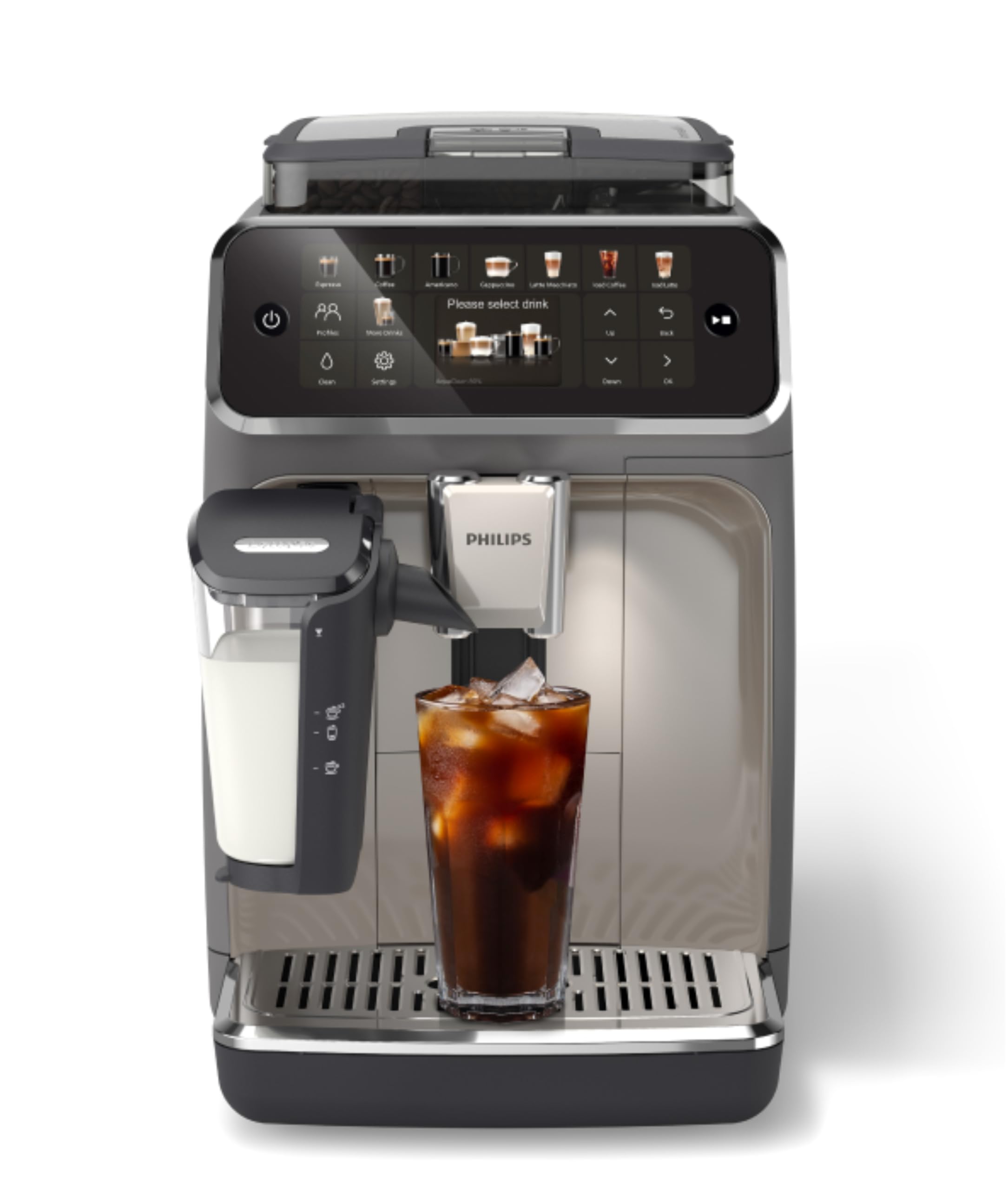
The 4400 sits right between the 3200 and the 5500. You get most of the premium features without paying for the top model. If the 3200 feels like it’s missing something but the 5500 seems like overkill, the 4400 is probably the one.
SilentBrew is included here too. The machine runs quietly, which is something you appreciate more and more over time. The 4400 also comes with an integrated milk carafe, similar to the 5500. It connects to the machine and froths automatically. You set the milk level on the screen and it handles the rest.
The touchscreen interface is clean. Not overwhelming. You tap what you want, adjust strength or temperature if you feel like it, and press brew. It’s fast to learn. Most people are making drinks confidently on day one without touching the manual.
The 4400 also gives you 8 drink options. Not as many as the 5500, but more than enough for most households. Espresso, lungo, coffee, cappuccino, latte macchiato, and a few more. The ceramic grinder is adjustable, and the flavor settings let you save your preferences so every cup is consistent.
- SilentBrew: Yes
- Drinks: 8 presets
- Milk: Integrated carafe
- Interface: Touchscreen
- Best for: Mid-range buyers, households with multiple coffee drinkers
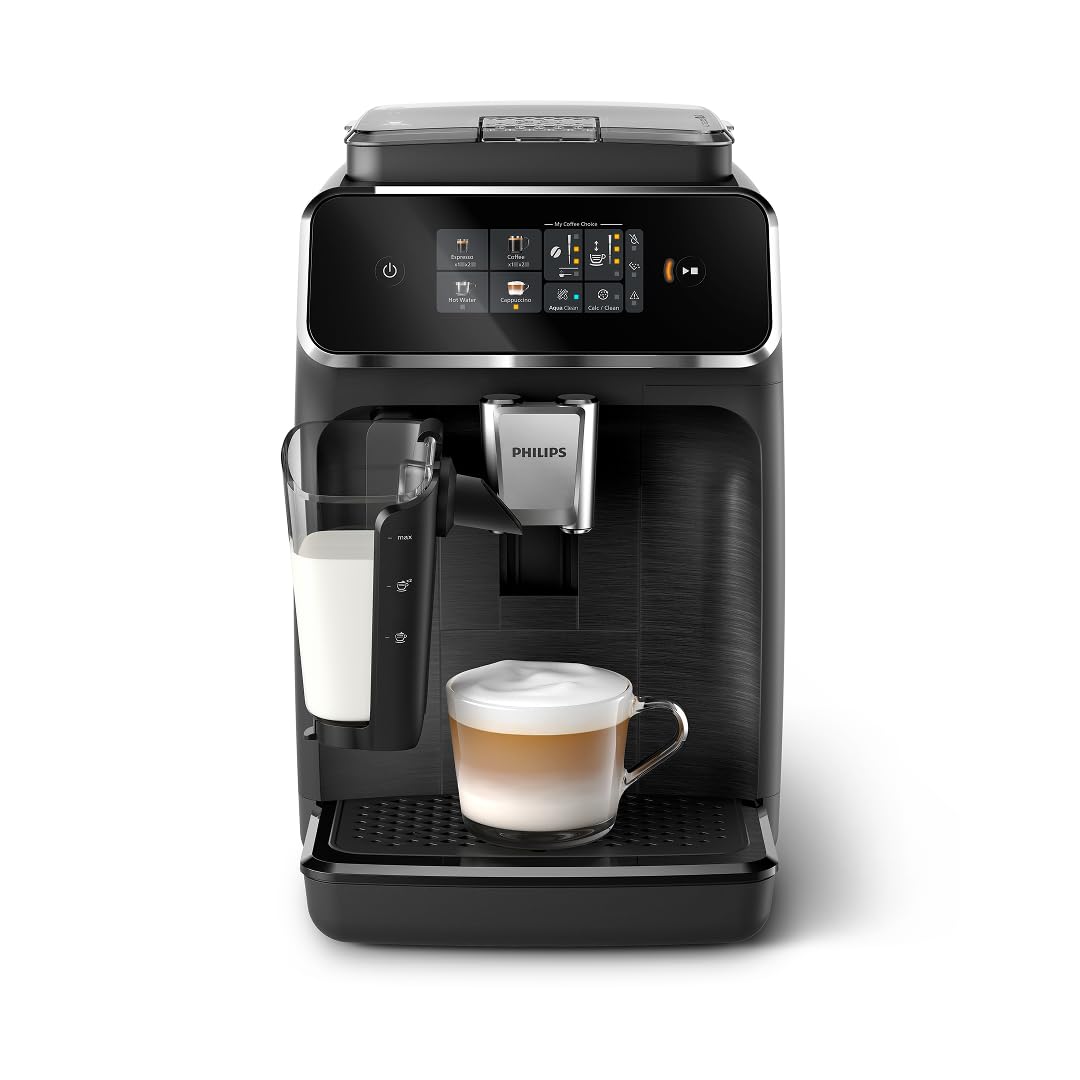
Philips 2300 Series Fully Automatic Espresso Machine – Best Step-Up from Basic
The 2300 is the machine for someone who liked the 1200 but wants a bit more. It adds milk frothing automation while keeping everything else simple. You don’t jump to a full premium machine. You just get one meaningful upgrade.
The LatteGo system comes with the 2300. Same easy-clean design as the 3200. Two parts, rinse under the tap, done. If you’ve been manually frothing milk and getting tired of the inconsistency, this change alone is worth it. Every cappuccino comes out the same, every time.
The 2300 also has SilentBrew. Quiet grinding and brewing is a feature that sounds minor until you actually use a loud machine at 7 a.m. in a quiet apartment. Then it becomes one of the most important things about a coffee machine.
Aroma strength adjustment is on board too. You choose how strong you want your coffee, from mild to extra strong. The ceramic grinder adjusts automatically based on your setting. You don’t need to change anything manually. The machine figures it out. Simple, reliable, and easy to live with every single day.
- LatteGo milk system: Yes
- SilentBrew: Yes
- Aroma strength: Adjustable
- Grinder: Ceramic
- Best for: 1200 users ready to upgrade, latte and cappuccino fans
I hope this breakdown helped you figure out which Philips machine is right for you. If you want easy and affordable, start with the 1200. If you want the best all-rounder, go with the 3200. Power users should look at the 5500. And if you love the process of making espresso, the Baristina is worth every penny. Pick the one that fits how you actually drink coffee, not just the most expensive one.
| Machine | Best For | Milk System | Key Feature |
|---|---|---|---|
| Philips 1200 Series | Budget buyers, black coffee fans | Manual steam wand | Simple 2-button operation |
| Philips 2300 Series | Step-up from basic, latte lovers | LatteGo (auto) | SilentBrew + LatteGo combo |
| Philips 3200 Series | Best overall, daily home use | LatteGo (auto) | 5 aroma settings + easy clean |
| Philips 4400 Series | Mid-range upgrade | Integrated carafe (auto) | Touchscreen + SilentBrew |
| Philips 5500 Series | High-volume, variety lovers | Integrated carafe (auto) | 12 drinks + AquaClean filter |
| Philips Baristina | Hands-on fans, small kitchens | Manual (portafilter) | 16-bar pressure, compact |
Things to Consider Before Buying Philips Espresso Machines (Full Buying Guide)
Buying a Philips espresso machine sounds simple until you actually start looking. There are six different series, multiple models in each, and a bunch of features that all sound important. It gets confusing fast.
Most people pick based on price alone and then regret it a month later. Either the machine does too little, or they paid for features they never use. Neither feels good.
So before you spend your money, let me walk you through exactly what to look at. These are the things to consider before buying Philips espresso machines, and they’ll save you from making a choice you’ll want to undo.
How Much Coffee Do You Actually Drink?
This matters more than people think. If you drink one espresso a day, a basic machine handles that perfectly. But if your household runs on coffee, with two or three people making drinks in the morning, you need a machine that can keep up without overheating or running out of water constantly.
The Philips 1200 Series is great for light use. Simple, reliable, and low-maintenance. But if you’re making six to eight drinks a day, look at the 3200 or 5500 Series instead. They’re built for higher volume and their components hold up better over time with heavy use.
Also think about your water tank size. The 1200 has a 1.8-liter tank. That’s fine for one or two people. For a busy household, you want something you’re not refilling twice before breakfast. Check tank capacity before you decide.
- Light use (1-2 cups/day): 1200 or 2300 Series works well
- Medium use (3-5 cups/day): 3200 or 4400 Series is ideal
- Heavy use (6+ cups/day): Go for the 5500 Series
- Check water tank size relative to how many drinks you make daily
Do You Want Milk Drinks or Just Black Coffee?
This one question changes everything. If you drink espresso or Americanos, you don’t need an automatic milk system. But if you love cappuccinos, lattes, or flat whites every morning, milk frothing matters a lot and you should pick a machine that handles it well.
Philips offers two main milk systems. The LatteGo system, found on the 2300 and 3200 Series, uses just two parts and cleans in about 10 seconds under the tap. The integrated carafe system on the 4400 and 5500 connects directly to the machine and froths automatically, but takes a little more time to clean.
If you’re not sure, go with LatteGo. It’s the easiest milk system I’ve seen on any automatic machine. No tubes, no hidden parts, no frustrating residue stuck where you can’t reach it. For beginners especially, that simplicity makes a real difference in whether you actually enjoy using the machine every day.
- No milk drinks: Save money, skip the milk system, choose 1200 Series
- Occasional milk drinks: LatteGo on 2300 or 3200 is enough
- Frequent lattes and cappuccinos: Integrated carafe on 4400 or 5500
- LatteGo is the easiest to clean, period
What’s Your Real Budget (Including Running Costs)?
The sticker price is just the start. A Philips espresso machine also costs you in beans, filters, and descaling tablets over time. Don’t just look at what the machine costs. Look at what it costs you per month to run it.
Whole beans cost less per cup than pods, which is one reason these machines save money long-term. But the 5500 Series with AquaClean filter can make up to 5,000 cups before descaling. That saves you money and time compared to machines that need descaling every few months. If you live in a hard water area, that filter alone is worth the price difference.
Also, be honest about whether you’ll use premium features. The 5500 has 12 drink presets. If you only ever drink espresso and the occasional cappuccino, you’re paying for 10 options you’ll ignore. Match the machine to your actual habits, not the most impressive spec sheet.
- Factor in beans, descaling tablets, and water filters
- Hard water area: Prioritize AquaClean filter (5500 Series)
- Only buy features you’ll genuinely use
- Bean-to-cup machines cost less per drink than pod machines over time
How Much Counter Space Do You Have?
This sounds like a minor thing. It’s not. A machine that doesn’t fit your kitchen layout becomes annoying within a week. You’ll leave it in a cabinet, stop using it, and wonder why you spent that money. Measure your counter space before you buy anything.
The Philips Baristina is the most compact option. It’s small, clean, and fits neatly in tight spaces. The 5500 Series, on the other hand, is larger. It needs room for the water tank on the side, the bean hopper on top, and the drip tray at the front. If your kitchen is small, that might not work.
Also think about height. Some kitchen cabinets have shelves that hang low. The bean hopper on most Philips machines opens from the top, so you need clearance above it to refill beans. Measure height too, not just width and depth. A small detail, but it matters every morning.
- Compact kitchen: Look at the Baristina or 1200 Series
- Measure width, depth, and height clearance above the machine
- Check if your cabinet allows the bean hopper lid to open fully
- Keep the machine on a surface you use daily so it becomes a habit
How Much Control Do You Want Over Your Coffee?
Some people just want to press a button and get coffee. Others want to tweak the grind, adjust the strength, change the temperature, and experiment until the shot is exactly right. Philips covers both ends, but you need to know where you fall.
The 1200 Series keeps things simple. Two buttons. Espresso or coffee. Done. If that’s all you want, it’s perfect. The 3200 adds aroma strength settings, five levels from mild to extra strong. The 5500 gives you 12 drink options, customizable temperatures, and personalized profiles. More control, but also more to learn.
The Baristina is the most hands-on option. You load the portafilter yourself, choose your grind, and pull the shot. It doesn’t have a built-in grinder, so you control that separately. If you find that process fun rather than annoying, the Baristina teaches you a lot about espresso quickly. If it sounds like extra work, go fully automatic instead.
- Just want coffee fast: 1200 or 2300 Series
- Want some customization: 3200 or 4400 with aroma and strength settings
- Want full control: Baristina or 5500 with multiple profiles
- More control also means more to learn upfront
How Important Is Quiet Operation to You?
Noise is something almost no one thinks about until they’re grinding beans at 6:30 a.m. while their partner is still sleeping. Or you’re working from home and every coffee break interrupts a call. Grinder noise is real, and some machines are noticeably louder than others.
Philips built SilentBrew technology into the 2300, 4400, and 5500 Series. It reduces the noise during both grinding and brewing. Not totally silent, but much quieter than standard grinders. If you share a home with others or have a small apartment, this feature is worth paying for. You’ll appreciate it more than almost any other spec on the sheet.
The 1200 and 3200 Series don’t include SilentBrew. They’re not extremely loud, but you’ll hear them. If noise isn’t a concern for you, you can save some money by skipping it. But if you’ve ever been annoyed by a loud grinder in a coffee shop, you already know what you’re buying yourself into without it.
- Shared home or apartment: Prioritize SilentBrew (2300, 4400, 5500)
- Early morning use while others sleep: SilentBrew is worth the upgrade
- Solo household or noise doesn’t bother you: 1200 or 3200 works fine
- SilentBrew doesn’t eliminate noise, but makes a real daily difference
I hope this guide helps you stop guessing and start choosing with confidence. The right Philips machine isn’t the most expensive one. It’s the one that fits how you actually live. Think about your volume, your drinks, your space, and your budget. Get that right and you’ll enjoy every single cup.
| What to Consider | What to Look For | Best Option | Tip |
|---|---|---|---|
| Daily coffee volume | How many cups per day across your household | 1200 for low use, 5500 for high | Don’t buy more machine than you need |
| Milk drink preference | Whether you drink lattes, cappuccinos, or black coffee | LatteGo for easy clean, carafe for auto frothing | LatteGo wins for simplicity |
| Budget and running costs | Upfront price plus beans, filters, descaling | Match to your real usage habits | Bean-to-cup saves money long-term |
| Counter and cabinet space | Width, depth, and height clearance above the machine | Baristina for small kitchens | Measure before buying, not after |
| Control and customization | How much you want to adjust grind, strength, temperature | 3200 for balance, Baristina for full control | More settings means more learning time |
| Noise sensitivity | Whether early mornings or shared spaces matter | 2300, 4400, or 5500 with SilentBrew | SilentBrew is quieter, not silent |
Frequently Asked Questions (FAQs)
Is it hard to clean a Philips fully automatic espresso machine?
Not at all. Most Philips machines come with a built-in cleaning reminder. The LatteGo milk system on the 2300, 3200, and other models takes about 10 seconds to rinse. The machine also runs automatic rinsing cycles on startup and shutdown. Descaling is needed every few months depending on your water hardness, and the machine tells you when it’s time. Overall, Philips makes maintenance pretty painless compared to most other brands.
Is it worth buying a Philips espresso machine over a cheaper pod machine?
Yes, for most people. Pod machines are convenient but expensive to run. A single pod costs around 40 to 70 cents, and costs add up fast. A Philips bean-to-cup machine uses whole beans, which cost much less per cup. The coffee also tastes better because you’re grinding fresh. If you drink one or two cups a day, a Philips machine pays for itself within a year or so.
Can I use pre-ground coffee in Philips espresso machines?
Yes, most Philips fully automatic machines have a pre-ground coffee bypass. You open a small chute on top, add one scoop of pre-ground coffee, and the machine uses that instead of the grinder. It’s great for decaf or specialty blends you can’t find in whole bean form. Just don’t put regular coffee in the bean hopper and pre-ground in the bypass at the same time. Use one or the other.
Can I make regular drip-style coffee with a Philips espresso machine?
Yes. Most Philips machines have a “coffee” or “lungo” setting that produces a longer, milder drink. It’s not exactly drip coffee, but it’s close enough for most people who prefer a bigger, lighter cup. If you set the aroma to mild and brew a lungo, you get something that tastes and feels like a regular cup of coffee. It works well if your household has both espresso drinkers and regular coffee drinkers.
Do I need to use a specific type of beans with Philips machines?
No. Philips machines work with any whole bean coffee. Medium to dark roasts tend to give you the best espresso flavor and crema. Very light roasts can be trickier because they’re harder and need a finer grind. Oily beans, like some very dark roasts, can clog the grinder over time, so you’ll want to clean it more often if you use those. Stick with medium roast if you’re just starting out and experiment from there.
Is it possible to adjust the coffee strength on Philips machines?
Yes, all Philips espresso machines let you adjust strength to some level. Even the basic 1200 Series lets you choose between mild and strong. The 3200 and above give you five aroma levels. You can also adjust the grind setting on the ceramic grinder, which changes how much flavor the water extracts from the beans. More grind settings means more fine-tuning. If you like experimenting, the mid-range and higher models give you the most control.
Do I need to descale my Philips machine often?
It depends on how hard your water is. In areas with hard water, minerals build up faster and you may need to descale every couple of months. Soft water areas can go much longer. The good news is that Philips machines track this for you. They alert you when descaling is needed. The 5500 Series with the AquaClean filter can go up to 5,000 cups before descaling, which is a huge advantage. Using filtered water also extends the time between descaling cycles.
Can I make iced coffee or cold drinks with a Philips espresso machine?
The machines don’t have a cold brew mode, but you can absolutely make iced drinks. Just brew a strong espresso or lungo shot over a glass full of ice. The hot coffee chills fast and the ice dilutes it slightly, which balances the intensity. Add cold milk or creamer on top and you’ve got a decent iced latte. It’s a workaround, not a dedicated feature, but it works well enough that a lot of Philips owners do it regularly in summer.
Is it safe to leave a Philips espresso machine on all day?
Philips machines have an auto-off feature built in. Most models turn themselves off after 15 to 60 minutes of no use, depending on your settings. So you don’t need to worry about forgetting to turn it off before work. Some models let you set the auto-off timer yourself. Leaving any appliance on unnecessarily wastes electricity, so it’s good practice to let the auto-off do its job or switch it off manually after your morning coffee.
Do I need any special skills to operate a Philips automatic espresso machine?
Not really. That’s the whole point of a fully automatic machine. You fill the bean hopper, fill the water tank, and press a button. The machine grinds, tamps, brews, and sometimes even froths milk on its own. The first time you use it, read the quick-start guide and you’ll be making espresso within 10 minutes. The Baristina requires slightly more involvement since you load the portafilter yourself, but even that is easy to pick up after a few tries.