As an Amazon Associate, I earn from qualifying purchases at no extra cost to you.
Are Blender Bottles Microwave Safe? What You Must Know

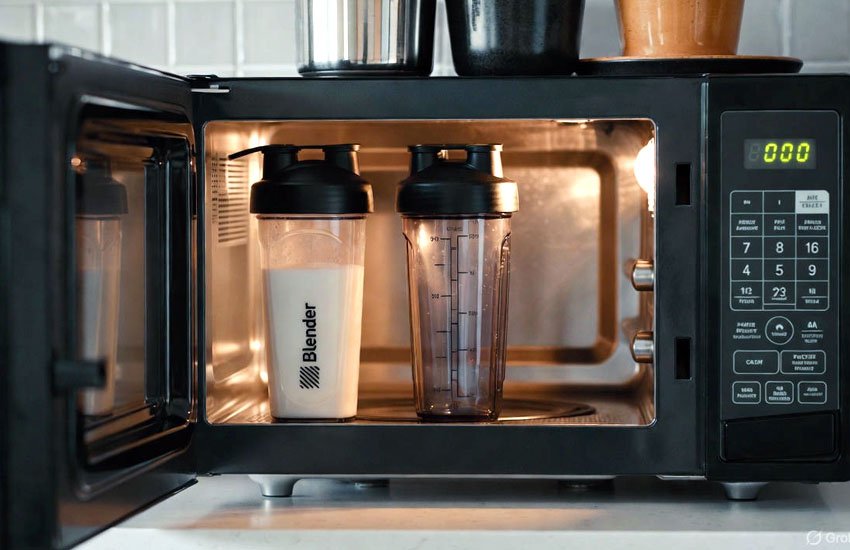
Microwaving a quick protein shake or leftover soup feels harmless until you pause and wonder if your blender bottle can handle the heat. Many people have melted lids, warped cups, or strange plastic smells from trying it once. Blender bottles look sturdy, but heat changes plastic fast. This guide breaks down exactly what happens, what's safe, and how to avoid ruining your bottle or your food.
Check the plastic type on your blender bottle before microwaving, because heat tolerance depends on the material. Remove lids and metal parts every time. Use short heating bursts and stir often to prevent hot spots. If the bottle shows warping, cloudiness, or strong odors, stop using it for hot food. When in doubt, transfer food to a microwave-safe glass or ceramic container instead.
What Blender Bottles Are Made Of and Why It Matters
Most blender bottles are made from plastic designed for shaking, not heating. The most common material is polypropylene, often marked as PP or recycling code #5. This plastic is lightweight, flexible, and resistant to cracking when dropped. It works great for cold and room-temperature drinks, which is what blender bottles were originally built for. Heat is a completely different stress.
Polypropylene can handle some warmth, but microwave heat is uneven and aggressive. Food heats faster than plastic, and steam builds pressure inside the bottle. This causes the plastic walls to soften and warp over time. Even if the bottle doesn't melt, repeated heating weakens it. Small shape changes can affect the seal, leading to leaks later when you shake it.
Another issue is the lid and mixing mechanism. Blender bottle lids are thicker, often made from mixed plastics, rubber seals, and sometimes metal springs or wire balls. These parts are almost never microwave safe. Rubber seals can degrade, lose elasticity, and trap odors. Metal components can spark and damage your microwave instantly.
Some newer bottles claim "heat-resistant" plastic, but that does not always mean microwave safe. Heat-resistant often refers to dishwasher use, not direct microwave energy. Always check the manufacturer's label molded into the bottom of the cup. If there is no microwave-safe symbol, assume it's not designed for that use.
- Most blender bottles use polypropylene plastic, not designed for microwaves
- Heat can warp bottles and weaken seals over time
- Lids, seals, and mixing balls are usually unsafe to microwave
- "Heat-resistant" does not always mean microwave safe
Are Blender Bottles Microwave Safe According to Manufacturers?
When asking if blender bottles are microwave safe, manufacturer guidance matters more than internet myths. Most major blender bottle brands clearly state their bottles are not intended for microwave use. This includes both the cup and the lid. Their warnings exist because microwaves heat unevenly and create steam pressure that these bottles are not designed to release.
Some brands allow microwaving the cup only, with strict conditions. These usually include removing the lid completely, heating liquids only, and using short time intervals. Even then, they often add a disclaimer that damage caused by microwaving is not covered under warranty. That tells you a lot about the real risk involved.
Manufacturers design blender bottles for impact resistance and leak prevention, not thermal stability. The thick base and reinforced threads that prevent leaks can trap heat. This leads to hotspots where plastic deforms first. Over time, even "approved" microwaving can shorten the bottle's lifespan significantly.
Another overlooked factor is food type. Thick foods like oatmeal, soup, or mashed vegetables heat unevenly and retain heat longer than water. This increases internal temperature and steam pressure, even without a lid. Manufacturers rarely test bottles with thick foods, so safety guidance is conservative for a reason.
If a brand does not explicitly say microwave safe on the product or official website, treat that as a no. Silence usually means they do not recommend it and want to avoid liability.
- Most manufacturers advise against microwaving blender bottles
- Some allow cup-only heating with strict limits
- Warranty often excludes microwave-related damage
- Thick foods increase heat and pressure risks
What Happens If You Microwave a Blender Bottle Anyway
Microwaving a blender bottle once might seem fine, but the damage often starts invisibly. Plastic softens before it visibly melts. The first few uses can weaken the structure without obvious signs. Later, the bottle may leak, smell strange, or crack when shaken.
One common issue is warping at the bottom or near the threads. This affects how the lid seals. Even slight distortion can cause leaks when you shake protein drinks. Another problem is cloudiness or whitening of the plastic. This indicates stress damage, which also makes the plastic more likely to absorb odors and stains.
Heat can also cause chemical migration. While food-grade plastics are considered safe within their intended temperature range, overheating can increase the release of unwanted compounds. This doesn't mean one mistake is dangerous, but repeated overheating is not a smart habit, especially for daily use.
Steam pressure is another real risk. If the lid is even partially on, pressure builds fast. This can cause sudden popping, spills, or burns when you open the bottle. Many people learn this the hard way with hot soup or oatmeal exploding onto the microwave walls.
Microwaving also shortens the bottle's usable life. A blender bottle that could last years for cold drinks may need replacing in months if regularly heated.
- Early heat damage is often invisible
- Warping causes leaks and poor seals
- Overheating can increase odor and stain retention
- Steam pressure creates spill and burn risks
Safer Ways to Heat Food When Using Blender Bottles
The safest approach is simple: don't microwave the blender bottle. Instead, heat food in a container designed for it, then transfer it once it cools slightly. Glass and ceramic are ideal because they heat evenly and don't degrade with repeated use.
If you must use the blender bottle, treat it as a temporary holding container, not a cooking vessel. Heat your food separately, stir well, let it cool for a minute, and then pour it into the bottle. This avoids exposing the plastic to extreme heat while still keeping your meal portable.
For liquids like broth or thin soups, use an insulated thermos instead. These are designed for hot temperatures and maintain heat safely for hours. Many modern thermoses are leak-proof and easy to clean, making them a better choice for hot meals.
Another option is using microwave-safe silicone containers. Silicone handles heat better than plastic and is flexible and lightweight. Once heated, you can transfer the food to your blender bottle if needed for mixing or drinking later.
The key is separating heating from storage. Blender bottles excel at mixing and transport, not heating. Using each container for its intended purpose reduces risk and saves money long-term.
- Heat food in glass or ceramic first
- Transfer food after slight cooling
- Use thermoses for hot liquids
- Keep heating and storage separate
Signs Your Blender Bottle Is No Longer Safe to Use
Knowing when to replace a blender bottle is just as important as knowing how to use it. Visual changes are the first warning sign. Warping, uneven bases, or lids that no longer screw on smoothly indicate heat or stress damage. These bottles are more likely to leak or fail.
Smell is another strong indicator. If your bottle holds odors even after thorough washing, the plastic structure has likely degraded. This makes it easier for bacteria to cling to microscopic cracks. No amount of scrubbing fully fixes this problem.
Texture changes also matter. If the inside feels rough, chalky, or sticky, the plastic has broken down. This often happens after exposure to high heat, harsh detergents, or repeated dishwasher cycles. These surfaces are harder to clean properly.
Discoloration, especially whitening or yellowing, suggests stress damage. While not always dangerous on its own, it signals that the bottle is aging faster than intended. Combined with heat exposure, this is a clear sign to replace it.
A blender bottle is relatively inexpensive compared to the cost of a microwave repair or a burn injury. When in doubt, replace it.
- Warping and poor lid fit signal damage
- Persistent odors mean plastic breakdown
- Rough textures trap bacteria
- Discoloration shows stress and aging
Choosing a Microwave-Safe Alternative for Daily Use
If you regularly need to heat meals, investing in the right container saves time and frustration. Glass meal prep containers are the gold standard. They are microwave safe, dishwasher safe, and don't absorb odors. Their only downside is weight, but durability makes up for it.
Ceramic containers are another solid choice, especially for soups and leftovers. They heat evenly and are easy to clean. Just ensure the lid is microwave safe or remove it before heating.
For portability, look for containers labeled specifically as microwave safe and BPA-free. Polypropylene can be microwave safe when designed for it, but the label must clearly say so. Avoid generic plastic containers with no markings.
If mixing is your main goal, use a blender bottle only after heating. For hot drinks like coffee or tea, use insulated mugs designed for heat. These keep temperature stable without damaging materials.
Matching the container to the task is the safest long-term habit. Blender bottles are great tools, just not for microwaves.
- Glass is the safest microwave option
- Ceramic heats evenly and cleans easily
- Only use clearly labeled microwave-safe plastics
- Use blender bottles after heating, not during
Final Thoughts
Blender bottles are excellent for mixing and carrying drinks, but microwaves push them beyond their comfort zone. Using the right container for heating protects your food, your bottle, and your microwave. Heat separately, transfer smartly, and replace bottles showing damage. Small habits like these make daily meals safer, cleaner, and easier.
| Action | Best Option | Safety Tip |
|---|---|---|
| Heating soup | Glass container | Stir halfway to avoid hot spots |
| Heating oatmeal | Ceramic bowl | Let cool before transferring |
| Transporting hot liquids | Insulated thermos | Check lid seal before packing |
| Mixing protein shakes | Blender bottle | Use cold or room-temperature liquids |
| Reheating leftovers | Microwave-safe container | Remove lids during heating |
| Daily meal prep | Glass meal prep boxes | Inspect for cracks regularly |
| On-the-go meals | Silicone container | Avoid overfilling |
Frequently Asked Questions (FAQs)
Is it safe to microwave a blender bottle without the lid?
Removing the lid reduces pressure risk, but it does not make most blender bottles truly microwave safe. The plastic itself can still warp or degrade from uneven heat. Liquids may heat faster than the bottle walls, causing stress damage. While one short heating session may not cause visible harm, repeated use increases the chance of leaks, odors, and weakened plastic. It's safer to heat in glass and transfer afterward.
Is it okay to microwave a blender bottle for a few seconds?
Short bursts reduce risk but don't eliminate it. Even 20 to 30 seconds can create hot spots, especially with thick liquids. Plastic softens before it melts, so damage may not be obvious right away. If you must try it once, remove the lid, heat in short intervals, and stop immediately if the bottle feels soft or smells unusual. This should never be a daily habit.
Can I microwave a blender bottle if it says BPA-free?
BPA-free only means the plastic does not contain BPA. It does not guarantee microwave safety. Many BPA-free plastics still warp or degrade under high heat. Always look for a microwave-safe symbol or manufacturer approval. BPA-free is about chemical composition, not heat resistance. Treat these labels as separate safety factors.
Is it dangerous to microwave protein shakes in a blender bottle?
Protein shakes often contain powders that thicken when heated, which increases uneven heating. This raises pressure and temperature inside the bottle. Heated protein can also stick to the plastic, creating odors and residue. While not instantly dangerous, it's messy and damaging to the bottle. Heat liquids first, then add protein powder after cooling slightly.
Can I microwave my blender bottle if it's dishwasher safe?
Dishwasher safe does not equal microwave safe. Dishwashers use hot water but distribute heat differently and usually stay below microwave peak temperatures. Microwave energy heats food directly and unevenly, stressing plastic more aggressively. Many bottles survive dishwashers for years but fail quickly when microwaved. Always check microwave-specific labeling.
Is it better to use a blender bottle for hot soup on the go?
Blender bottles are not ideal for hot soup. They are designed for shaking, not heat retention. Hot soup can warp the bottle and degrade seals over time. Insulated thermoses are safer and keep food hot longer without damaging materials. If you must use a blender bottle, let the soup cool slightly first and avoid sealing it tightly.
Can microwaving damage the blender bottle even if it looks fine?
Yes, damage often starts internally. Plastic can weaken at a molecular level before visible changes appear. This leads to future leaks, odors, and cracks. A bottle may look normal but fail under pressure later. That's why manufacturers warn against microwaving even if no immediate damage is visible.
Do I need to replace my blender bottle after microwaving it once?
One accidental use does not automatically mean you must replace it. Check carefully for warping, odors, rough texture, or lid fit issues. If any signs appear, replacement is wise. If it looks and smells normal, continue using it only for cold or room-temperature drinks. Avoid microwaving it again to extend its life.