As an Amazon Associate, I earn from qualifying purchases at no extra cost to you.
Are Blender Bottles Dishwasher Safe? What You Should Know

Blender bottles are lifesavers when you’re rushing out the door with a protein shake. But one wrong dishwasher cycle can leave them cloudy, warped, or smelly. Many people assume all plastic bottles are dishwasher safe, then get frustrated when lids leak or smells stick around. I’ve seen this happen countless times in real kitchens. Let’s clear up exactly how dishwasher-safe blender bottles really are.
Most blender bottles are dishwasher safe if you place them correctly and follow the brand’s limits. Always separate the lid, bottle, and mixer ball before washing. Use the top rack, choose mild detergent, and avoid high-heat drying. Check for heat damage after washing and switch to hand washing if the bottle shows cloudiness, warping, or lingering smells. Proper care extends bottle life and keeps drinks tasting clean.
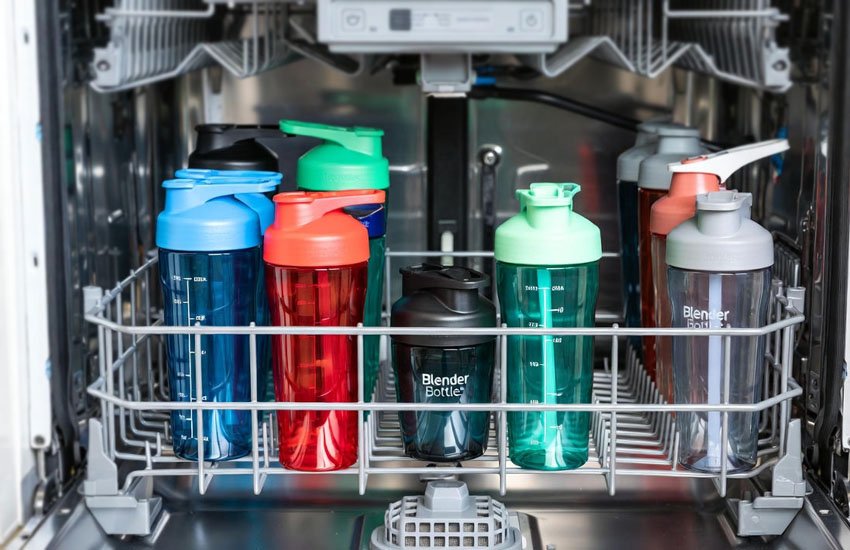
What “Dishwasher Safe” Really Means for Blender Bottles
When brands say blender bottles are dishwasher safe, they usually mean “safe under specific conditions.” This is important because dishwashers vary widely in heat levels, water pressure, and detergent strength. From my experience testing food containers, most blender bottles survive dishwashers when washed gently, but problems start when heat and harsh detergent combine. Dishwasher safe does not mean indestructible.
Most blender bottles are made from polypropylene plastic. This plastic can handle moderate heat but starts to degrade at very high temperatures. If your dishwasher uses a heated dry cycle, the internal temperature can get hot enough to slightly soften plastic. Over time, repeated exposure leads to cloudy surfaces, stretched lids, or misshapen bottle walls that never seal quite right again.
Another issue is detergent. Dishwasher detergents are much stronger than hand soap. They are designed to strip grease and residue, but they also slowly break down plastic surfaces. That’s why bottles that go through the dishwasher often develop a rough feel inside. That roughness traps protein residue, which causes lingering smells even after washing.
So yes, most blender bottles are dishwasher safe, but only when used the right way. Treating “dishwasher safe” as a careful guideline instead of a guarantee will save you money and frustration in the long run.
- Dishwasher safe means conditionally safe, not damage-proof
- Heat and detergent are the biggest risks
- Repeated harsh cycles shorten bottle lifespan
Which Parts of a Blender Bottle Can Go in the Dishwasher
Blender bottles are made of multiple parts, and each one reacts differently to dishwasher conditions. The main bottle body is usually the most durable piece. When placed on the top rack, it typically handles standard wash cycles without immediate damage. Problems usually appear after many washes, not just one or two.
The lid is more delicate. Lids often contain flexible sealing rings or snap-fit threads that help prevent leaks. High heat can weaken these areas. I’ve seen lids that look fine but no longer seal tightly because the plastic slightly warped. This is why leaks often start after repeated dishwasher use, especially if the lid ends up near the heating element.
The wire whisk or mixer ball is usually stainless steel and dishwasher safe. However, it should never be left sitting wet inside the bottle after washing. Trapped moisture can lead to rust spots over time, especially if the metal coating gets scratched. I recommend removing it immediately after the cycle and letting it air dry fully.
Always separate all parts before washing. Nesting the lid on the bottle or trapping the whisk inside prevents proper cleaning and increases wear. Separation also reduces stress on locking tabs and threads, which helps everything last longer.
- Bottle body is usually dishwasher safe on top rack
- Lids are most vulnerable to heat damage
- Whisk balls are safe but must dry fully
How Dishwasher Heat Affects Blender Bottles Over Time
Heat is the silent killer of plastic blender bottles. Even when bottles survive a single hot cycle, damage builds slowly. Dishwashers can reach temperatures above what most plastic food containers experience during normal use. This repeated heat exposure causes plastic to expand and contract, weakening its structure.
One early sign of heat damage is cloudiness. This happens when the plastic surface breaks down and develops tiny micro-scratches. These scratches trap residue and odors, making the bottle harder to clean. Many people mistake this for “old protein smell,” but it’s actually heat-damaged plastic holding onto residue.
Warping is another common issue. A bottle may still stand upright but no longer be perfectly round. That slight shape change affects how the lid seals. Even a small warp can cause leaks when you shake the bottle. Once this happens, the bottle is usually beyond saving for liquid use.
Heated drying cycles are especially risky. They blast dry air at high temperatures directly onto plastic. Turning off heated dry or opening the dishwasher door after washing can significantly reduce long-term damage. Heat management is the biggest factor in keeping blender bottles usable for months or years.
- Cloudiness signals plastic breakdown
- Warping leads to leaks and poor sealing
- Heated dry cycles cause the most damage
The Right Way to Wash Blender Bottles in the Dishwasher
If you want to use the dishwasher safely, placement and settings matter more than people realize. Always place blender bottles on the top rack. The top rack is farther from the heating element and gets slightly cooler water. This single habit dramatically reduces heat damage.
Choose a normal or eco cycle instead of heavy-duty. Heavy cycles use higher heat and stronger sprays, which aren’t needed for protein residue. Use a mild detergent without added bleach or strong enzymes. These additives accelerate plastic wear and contribute to odor retention.
Before loading, rinse the bottle immediately after use. Letting protein shakes dry inside creates stubborn residue that even dishwashers struggle to remove. A quick rinse prevents buildup and reduces the need for aggressive washing later.
After the cycle finishes, remove the bottle and lid right away. Let them air dry completely instead of sitting in hot, humid air. This step prevents odor formation and keeps seals from staying soft while warm. These small habits add up to much longer bottle life.
- Always use the top rack
- Avoid heavy-duty and heated dry cycles
- Rinse immediately and air dry fully
When You Should Avoid the Dishwasher Completely
There are times when the dishwasher is no longer the right choice for your blender bottle. If you notice strong smells that won’t wash out, the plastic is likely damaged. Dishwashing at this stage only makes it worse by opening up more pores in the surface.
Visible warping or a lid that won’t seal is another clear warning sign. Continuing to dishwasher-wash a compromised bottle increases the risk of leaks and spills. In my experience, once sealing issues start, hand washing won’t fix them, but it can slow further damage if you’re not ready to replace the bottle.
Older bottles should also be treated more gently. Plastic naturally degrades over time, even without dishwasher use. After six to twelve months of regular use, switching to hand washing can extend usability. This is especially important if you rely on the bottle for travel or gym bags.
Finally, specialty bottles with measurement markings or decorative finishes often fade or peel in the dishwasher. If accuracy or appearance matters to you, hand washing is the safest option. Knowing when to stop using the dishwasher saves messes and frustration.
- Persistent odors mean plastic damage
- Leaking lids signal heat warping
- Older bottles benefit from hand washing
Dishwasher Safety Compared to Hand Washing Blender Bottles
Hand washing is the gentlest and most reliable way to clean blender bottles. Warm water, mild dish soap, and a soft bottle brush clean effectively without stressing the plastic. This method preserves the smooth interior surface that resists odors and stains.
The biggest advantage of hand washing is temperature control. You decide how hot the water gets, which protects seals and bottle shape. A quick soak loosens protein residue without aggressive chemicals. This is especially helpful for thick shakes with nut butter or oats.
Dishwashers are convenient, but convenience comes with trade-offs. They save time but reduce lifespan. For people who replace bottles often, that may not matter. For those who want one bottle to last, hand washing is the smarter choice most days.
A balanced approach works best. Use the dishwasher occasionally, especially when short on time, but rely on hand washing for regular care. This combination keeps blender bottles clean, odor-free, and functional for much longer.
- Hand washing is safest for long-term use
- Temperature control protects seals and shape
- Mixing both methods offers the best balance
Quick Guide: Dishwasher Safety for Blender Bottles
| Action | Details | Safety Tip |
|---|---|---|
| Rack placement | Always use top rack | Keeps bottle away from heating element |
| Wash cycle | Normal or eco cycle | Avoids excessive heat |
| Detergent choice | Mild, non-bleach | Reduces plastic breakdown |
| Lid handling | Separate from bottle | Prevents warping and seal damage |
| Drying method | Air dry | Skip heated drying |
| Odor control | Rinse after use | Stops residue buildup |
| Long-term care | Hand wash weekly | Extends bottle life |
Final Thoughts
So, are blender bottles dishwasher safe? Yes, but only when you treat them gently. Use the top rack, avoid high heat, and watch for early signs of damage. Mixing dishwasher use with regular hand washing gives you clean bottles without shortening their lifespan. A little care now prevents leaks, smells, and wasted money later.
Frequently Asked Questions (FAQs)
Is it safe to put blender bottles in the dishwasher every day?
It is safe in the short term, but daily dishwasher use shortens the bottle’s lifespan. Repeated heat and strong detergent slowly break down the plastic. Over time, this causes cloudiness, odors, and lid warping. If you use your blender bottle daily, consider hand washing most days and using the dishwasher only when needed. This balance keeps the bottle cleaner and functional longer.
Is it okay to use the bottom rack for blender bottles?
No, the bottom rack is not recommended. The bottom rack sits closer to the heating element and gets hotter water. This increases the risk of warping and seal damage. Even bottles labeled dishwasher safe can deform over time on the bottom rack. Always place blender bottles on the top rack to reduce heat exposure and protect their shape.
Can dishwasher detergent cause blender bottles to smell?
Yes, strong dishwasher detergent can contribute to smells. Harsh chemicals roughen the plastic surface, allowing protein residue to stick. Once residue builds up, odors become harder to remove. Using mild detergent and rinsing bottles right after use helps prevent this problem. Hand washing is especially helpful when odors start appearing.
Can I wash the blender bottle lid in the dishwasher?
You can, but it’s the riskiest part to dishwasher-wash. Lids contain sealing areas that are sensitive to heat. Repeated cycles can weaken these seals, leading to leaks. If you do use the dishwasher, place the lid on the top rack and avoid heated drying. Hand washing lids is the safest long-term option.
Do I need to remove the mixer ball before dishwashing?
Yes, always remove it. Leaving the mixer ball inside traps water and prevents proper cleaning. It can also cause rust spots if moisture stays trapped. Washing it separately allows it to dry fully. This simple step keeps both the bottle and the whisk cleaner and odor-free.
Is it better to hand wash protein shakes from blender bottles?
Yes, especially for thick protein shakes. Hand washing right after use prevents residue from sticking. Warm water and mild soap break down protein without damaging plastic. This method reduces smells and keeps the interior smooth. Dishwashers are convenient, but hand washing is more effective for heavy shake residue.
Can dishwasher heat ruin measurement markings on blender bottles?
Yes, repeated dishwasher use can fade or distort printed markings. High heat and detergent wear down the ink over time. If you rely on measurements for nutrition tracking, hand washing helps preserve accuracy. Bottles with molded markings last longer, but they still benefit from gentler washing.
Do I need to replace a blender bottle if it warps?
If the bottle warps enough to affect the lid seal, replacement is recommended. Warped bottles are more likely to leak and trap bacteria in uneven surfaces. Minor cosmetic changes are fine, but functional issues mean the plastic has degraded. For safety and convenience, a new bottle is the better choice.