As an Amazon Associate, I earn from qualifying purchases at no extra cost to you.
Are Bentgo Boxes Microwave Safe? Honest Safety Guide

Most people toss their lunchbox into the microwave without a second thought, then pause when the plastic starts to feel hot. That moment of doubt is common with Bentgo boxes. They look sturdy, but microwaves can be tricky. If you’re wondering whether reheating your meal is safe or risky, this guide breaks it all down clearly. Let’s remove the guesswork.
Always check which Bentgo model you own before microwaving, remove lids and seals every time, heat food in short bursts, avoid oily or sugary foods overheating, never microwave stainless steel parts, let containers cool before handling, and replace any box that shows warping, cracks, or strong odors after heating.
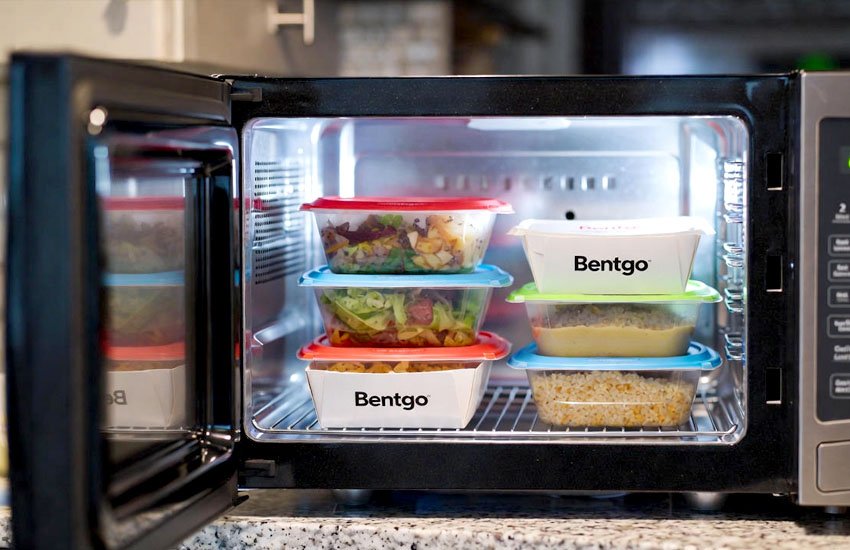
Are Bentgo Boxes Microwave Safe by Design?
Bentgo boxes are designed mainly for packing and storing food, not aggressive cooking. Most Bentgo plastic trays are labeled microwave safe for reheating only, which is a very important detail many people miss. Reheating means warming already-cooked food, not cooking raw ingredients from scratch. The plastic used is BPA-free and tested to handle moderate microwave heat, but it still has limits that users must respect.
Different Bentgo models use different materials. Bentgo Original, Bentgo Kids, and Bentgo Fresh typically use removable plastic trays that are microwave safe. However, the outer shell and lids are usually not microwave safe. This is because lids often contain seals, clips, or layered plastics that can warp, melt, or release odors when heated. Bentgo Glass is different, as the glass container itself is microwave safe, but even then, the lid must be removed.
Microwave safety also depends on how heat spreads through food. Dense foods like pasta, rice, or leftovers with sauce heat unevenly. This can create hot spots that stress the plastic. Bentgo trays are designed to handle normal reheating temperatures, but overheating food can still damage the container over time. That’s why Bentgo recommends short heating times and stirring food when possible.
If a Bentgo box ever changes shape, smells odd, or becomes cloudy after microwaving, that’s a sign it has been overheated. At that point, it’s safer to replace it. Microwave-safe does not mean indestructible, and treating the container gently will help it last longer and stay safe for daily use.
- Most Bentgo trays are microwave safe for reheating only
- Lids and outer shells should never go in the microwave
- Glass Bentgo bases are safer but still need lid removal
Which Bentgo Models Are Microwave Safe?
Understanding your specific Bentgo model is key to microwave safety. Bentgo Original and Bentgo Kids both come with removable inner trays that are microwave safe. These trays are designed to be taken out of the outer shell before heating. The colorful outer box and the lid should always stay out of the microwave, even for short heating sessions.
Bentgo Fresh models also follow a similar rule. The inner plastic container can be microwaved for reheating, but the lid must be removed first. Many users forget this step, which often leads to warped lids or loose seals. Once a lid loses its tight seal, the box may leak in bags or backpacks, creating bigger problems later.
Bentgo Glass stands out as the safest option for microwaving. The glass base can handle microwave heat very well and does not absorb odors or stains. However, even Bentgo Glass lids are not microwave safe due to their plastic construction and silicone seals. Removing the lid prevents steam buildup, which can crack seals or distort the lid shape.
Bentgo also sells stainless steel containers and accessories. These should never go in the microwave, even briefly. Stainless steel reflects microwave energy and can damage your appliance or cause sparks. If your Bentgo box includes metal parts, always separate them before reheating food. When in doubt, check the product label or Bentgo’s official care instructions.
- Plastic trays are microwave safe, outer shells are not
- Bentgo Glass bases are microwave safe without lids
- Stainless steel Bentgo items should never be microwaved
How to Microwave Bentgo Boxes Safely
Knowing that Bentgo boxes are microwave safe is only half the story. How you microwave them matters just as much. Start by removing the lid and any silicone seals if they are detachable. This prevents pressure from building up inside the container, which can warp plastic or force food to spill over.
Always heat food in short intervals, usually 30 to 60 seconds at a time. Stirring food between intervals helps spread heat evenly and avoids extreme hot spots. Foods with high oil or sugar content heat faster and can reach higher temperatures than the plastic is designed to handle. For these foods, shorter heating times are especially important.
Place the Bentgo tray in the center of the microwave, not pressed against the walls. Uneven microwave energy near the edges can overheat one side of the container. If your microwave has a turntable, make sure it spins freely so heat distributes more evenly across the food and container.
After heating, let the container sit for a few seconds before handling it. Plastic can feel cooler than the food inside, which may be extremely hot. Using oven mitts or a cloth reduces the risk of burns. If you notice the tray bending while hot, that usually means it’s been overheated. Allow it to cool fully before placing it back into the outer shell.
- Remove lids and seals before heating
- Use short heating intervals and stir food
- Let containers cool before handling
Common Microwave Mistakes That Damage Bentgo Boxes
One of the biggest mistakes people make is microwaving the entire Bentgo box with the lid on. This traps steam inside and puts pressure on seams and corners. Over time, this causes lids to warp, seals to loosen, and compartments to lose their shape. Even one mistake can shorten the life of the container.
Another common issue is overheating food. Microwaves vary in power, and what works in one microwave may be too much in another. Heating food for several minutes straight can push plastic beyond safe temperatures. This often leads to permanent bending or cloudy plastic, which is a sign the material is breaking down.
Some users microwave Bentgo boxes with greasy or sugary foods like cheese-heavy pasta or syrup-covered leftovers. These foods can reach temperatures much higher than water-based meals. The plastic tray might technically be microwave safe, but it still struggles under extreme heat from these ingredients.
Dishwasher and microwave misuse together can also cause damage. High dishwasher heat weakens plastic over time, making it more vulnerable during microwaving. If you frequently use the dishwasher, consider using the top rack only and lower heat settings. Treating the container gently across all uses helps maintain safety.
- Never microwave with the lid on
- Avoid long, continuous heating sessions
- Be careful with oily or sugary foods
How Long Can Bentgo Boxes Last with Microwaving?
With proper care, Bentgo boxes can last years, even with regular microwave use. The key factor is moderation. Occasional reheating at reasonable temperatures does far less damage than daily high-heat sessions. Users who follow reheating guidelines usually report minimal wear over time.
Signs that a Bentgo box is nearing the end of its life include warping, cracks, lingering odors, or difficulty fitting the tray back into the outer shell. These changes mean the plastic has been stressed too often. Continuing to microwave a damaged container increases the risk of uneven heating and potential material breakdown.
Rotating containers helps extend their lifespan. If you own multiple Bentgo trays, alternate their use so no single container absorbs all the heat exposure. This is especially helpful for families who pack hot lunches daily for school or work.
Storing Bentgo boxes properly also matters. Avoid leaving them in hot cars or near ovens, as added heat weakens plastic over time. Combining smart storage with careful microwaving ensures your Bentgo box remains safe, functional, and reliable for daily meals.
- Moderate microwave use extends container life
- Replace containers showing warping or cracks
- Proper storage helps maintain plastic strength
Are Bentgo Boxes Microwave Safe Compared to Other Lunchboxes?
When comparing Bentgo boxes to other lunch containers, they perform well in terms of safety when used correctly. Many cheap lunchboxes are not microwave safe at all or lack clear labeling. Bentgo clearly states which parts are safe, which helps users avoid mistakes.
Compared to thin plastic containers, Bentgo trays are thicker and more durable. This gives them better resistance to moderate heat. However, they still cannot match glass containers when it comes to heat tolerance. Bentgo Glass is the closest option for users who prioritize microwave safety.
Silicone containers are another alternative, offering flexibility and high heat tolerance. However, they often lack the structured compartments that make Bentgo boxes popular. For portion control and leak resistance, Bentgo remains a strong choice, especially for kids’ lunches.
Ultimately, Bentgo boxes strike a balance between convenience, safety, and durability. They are microwave safe for reheating when used as directed, which puts them ahead of many lunchboxes but slightly behind full glass meal prep containers in heat resistance.
- Bentgo offers clearer safety guidance than many brands
- Thicker plastic improves durability
- Glass still handles heat better than plastic
Final Thoughts
Bentgo boxes are microwave safe when used the right way, and that makes them practical for everyday meals. Always remove lids, heat in short bursts, and watch for signs of wear. Treat them as reheating tools, not cooking dishes. With mindful use, Bentgo boxes can safely support busy lunches without stress.
| Action | Details | Safety Tip |
|---|---|---|
| Remove lid | Prevents steam pressure | Always heat uncovered |
| Use short intervals | 30–60 seconds at a time | Stir between heating |
| Check model | Plastic vs glass vs steel | Steel never microwaves |
| Avoid oily foods | High heat risk | Use shorter times |
| Let cool | Prevents burns | Use cloth or mitt |
| Inspect regularly | Look for warping | Replace if damaged |
| Store properly | Avoid heat exposure | Keep away from ovens |
Frequently Asked Questions (FAQs)
Is it safe to microwave Bentgo boxes every day?
It is generally safe to microwave Bentgo trays daily if you follow proper reheating guidelines. Always remove the lid and heat food in short intervals. Daily use increases wear, so check for warping or cracks regularly. Rotating containers helps reduce stress on a single tray.
Is it safe to microwave Bentgo boxes with sauce?
It is safe, but sauces heat unevenly and can get very hot. Stir food halfway through heating to prevent hot spots. Tomato or oil-based sauces should be heated gently in shorter bursts to protect the plastic from excessive heat.
Is it safe to microwave Bentgo lids?
It is not safe to microwave Bentgo lids. Lids can warp, melt, or lose their seal due to trapped steam. Always remove the lid before placing the tray in the microwave, even for short reheating sessions.
Can I microwave Bentgo Glass containers?
Yes, the glass base of Bentgo Glass containers is microwave safe. Always remove the plastic lid before heating. Glass handles heat better than plastic and does not absorb odors or stains from food.
Can I microwave Bentgo boxes with metal parts?
No, any Bentgo container or accessory made of stainless steel should never go in the microwave. Metal can cause sparks and damage the microwave. Always separate metal components before reheating.
Do I need to let Bentgo boxes cool after microwaving?
Yes, letting the container cool slightly prevents burns and helps the plastic return to its normal shape. Hot plastic can feel cooler than the food inside, so handling carefully is important.
Do I have to replace Bentgo boxes if they warp?
Yes, warped Bentgo trays should be replaced. Warping means the plastic has been overstressed and may not heat evenly anymore. Continuing to use damaged containers increases safety risks.
Can I microwave frozen food in Bentgo boxes?
It is better to thaw frozen food first. Microwaving frozen meals creates extreme temperature differences that stress plastic. If necessary, use very short heating intervals and stir frequently.