As an Amazon Associate, I earn from qualifying purchases at no extra cost to you.
Are Bentgo Boxes Dishwasher Safe? What You Must Know

Sometimes you toss a lunchbox in the sink and wonder if the dishwasher will ruin it. Bentgo boxes are popular for meal prep and kids’ lunches, but cleaning them the wrong way can shorten their life fast. I’ve seen warped lids, loose seals, and cracked trays from simple mistakes. This article breaks down exactly when Bentgo boxes are dishwasher safe and how to clean them without damage.
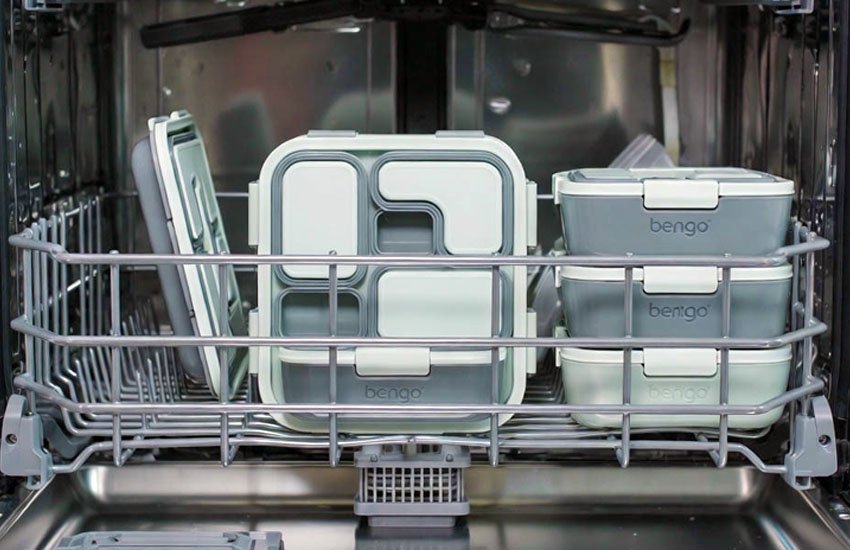
Check your Bentgo model first because not all pieces handle dishwasher heat the same way. Place trays on the top rack only and keep lids out unless the brand clearly allows it. Skip heated drying cycles to prevent warping and seal damage. Remove silicone seals before washing to stop mold buildup. Hand wash when in doubt, especially for lids and decorative parts. Let everything air-dry fully before reassembling to keep smells away.
Understanding Bentgo Box Materials and Heat Limits
Bentgo boxes are made from different plastics depending on the model, and that matters a lot for dishwasher safety. Most Bentgo trays use BPA-free plastic designed to handle everyday food use, but dishwasher heat is harsher than people expect. High temperatures, especially during drying cycles, can weaken plastic over time. This is why many lunchbox issues show up after months of dishwasher use rather than right away.
When people ask, “are bentgo boxes dishwasher safe,” the real answer is “partially.” The main food tray is usually top-rack dishwasher safe. The lid, especially if it has a rubber seal or locking clips, is often not. Lids are thinner and closer to heating elements, which makes them warp easily. Once a lid warps, it may stop sealing properly and cause leaks.
Another issue is pressure and water force. Dishwashers spray water at high pressure, which can stretch or dislodge silicone seals. Even if the plastic survives, the seal might loosen, leading to trapped moisture and odors later. Over time, repeated dishwasher cycles can cause small cracks that are hard to see but affect durability.
- Bentgo trays usually handle top-rack dishwasher heat
- Lids are more likely to warp or crack
- Silicone seals can loosen under high heat
- Drying cycles cause more damage than washing
Which Bentgo Models Are Dishwasher Safe
Not all Bentgo boxes are built the same, and this is where most confusion comes from. Bentgo Kids, Bentgo Fresh, and Bentgo Modern all have different cleaning rules. In general, Bentgo Kids trays are top-rack dishwasher safe, but the lid should be hand washed. Bentgo Fresh trays are also top-rack safe, but again, lids are better washed by hand to protect the seal.
Bentgo Modern containers sometimes claim full dishwasher safety, but even then, the fine print usually recommends top-rack only. “Dishwasher safe” does not mean “dishwasher-proof.” It means the item can survive some cycles without immediate damage. Long-term dishwasher use still wears them down faster than hand washing.
Bentgo glass models are different. The glass base is dishwasher safe, but the plastic lid still needs careful handling. Glass can handle heat well, but the lid’s seal is still vulnerable. Mixing materials in one container means you must clean each part based on its weakest component.
If you lost your manual, check Bentgo’s official product page for your exact model. Dishwasher safety can change with new designs. Treat general advice as a starting point, not a guarantee.
- Bentgo Kids trays: top-rack safe, lids hand wash
- Bentgo Fresh trays: top-rack safe, lids hand wash
- Bentgo Modern: top-rack recommended, check model
- Bentgo glass bases: dishwasher safe, lids need care
How to Load Bentgo Boxes in the Dishwasher Safely
Proper loading makes a big difference in lunchbox care. Always place Bentgo trays on the top rack, far from the heating element. The bottom rack gets hotter and exposes plastic to direct heat, which increases warping risk. Angle the tray slightly so water drains easily and doesn’t pool in corners.
Never place Bentgo lids flat or clipped onto trays in the dishwasher. Trapped water and heat can distort the lid shape and damage the seal. If you must dishwasher a lid, place it loosely on the top rack with plenty of space around it, but hand washing is still safer.
Remove silicone seals before washing. This prevents mold and allows better cleaning. Wash seals by hand with warm soapy water, rinse well, and let them air-dry fully. Reinstall only when completely dry to avoid moisture buildup.
Skip heated dry or sanitize cycles. These cycles use higher temperatures that shorten plastic life. Air drying or towel drying is much gentler and keeps your Bentgo box working longer.
- Use top rack only, never bottom rack
- Keep trays angled for drainage
- Remove and hand wash silicone seals
- Avoid heated drying and sanitize cycles
Common Dishwasher Mistakes That Damage Bentgo Boxes
One of the biggest mistakes is assuming “dishwasher safe” means safe in any dishwasher setting. High-heat cycles, long washes, and drying modes all stress plastic. Over time, this leads to warped corners, loose lids, and poor sealing. These problems usually appear slowly, which makes them hard to trace back to cleaning habits.
Another common issue is overcrowding. When Bentgo boxes are squeezed between heavy dishes, they can bend under pressure during the wash. This bending may not be obvious right away, but repeated stress weakens the structure. Always give lunchboxes enough space to move slightly without being crushed.
Using harsh detergents is another hidden problem. Strong dishwasher detergents can break down plastic surfaces, making them cloudy or brittle. This doesn’t just affect looks; it can reduce the container’s lifespan and make it more likely to crack.
Finally, reassembling boxes while still damp traps moisture inside seals. This leads to odors and mold, which people often blame on food instead of cleaning habits.
- High-heat cycles slowly warp plastic
- Overcrowding causes bending and stress
- Harsh detergents weaken plastic surfaces
- Damp reassembly leads to smells and mold
Hand Washing vs Dishwasher: Which Is Better for Bentgo
Hand washing is always the safest option for Bentgo boxes, especially lids. Warm water, mild dish soap, and a soft sponge clean effectively without stressing the plastic. It takes a bit more time but significantly extends the life of the lunchbox.
Dishwashers are convenient, but they trade speed for wear and tear. If you use the dishwasher occasionally and follow top-rack-only rules, Bentgo trays usually hold up fine. Problems arise when the dishwasher becomes the only cleaning method, especially with heat-heavy cycles.
For busy families, a mixed approach works best. Dishwasher-clean the trays when needed, but always hand wash lids and seals. This balance keeps cleaning manageable while protecting the most fragile parts.
If your Bentgo box starts leaking or smelling even after cleaning, switch fully to hand washing for a few weeks. Many issues improve once heat exposure stops.
- Hand washing is gentler and safer long-term
- Dishwashers are fine for trays in moderation
- Lids and seals last longer when hand washed
- A mixed approach offers the best balance
Signs Your Bentgo Box Is No Longer Dishwasher Safe
Even if your Bentgo box was dishwasher safe at first, wear changes things. Warping is the most obvious sign. If the lid no longer sits flat or the corners lift, stop dishwasher use immediately. Continued heat will only make it worse.
Loose or stretched silicone seals are another warning. If the seal falls out easily or no longer fits snugly, dishwasher heat is likely the cause. A poor seal leads to leaks and trapped moisture.
Cloudy plastic, small cracks, or a chalky feel mean the plastic is breaking down. At this stage, the container is more fragile and should be hand washed only. These signs don’t mean the box is unsafe for food, but they do mean it needs gentler care.
Listening to these signs helps you avoid sudden failures, like leaks in backpacks or broken lids at school.
- Warped lids signal heat damage
- Loose seals indicate overexposure to heat
- Cloudy or brittle plastic needs gentler care
- Early action prevents complete failure
Quick Guide to Dishwasher Use for Bentgo Boxes
| Action | Details | Safety Tip |
|---|---|---|
| Wash tray | Top rack only | Keep away from heating element |
| Wash lid | Prefer hand washing | Prevent warping and leaks |
| Remove seals | Take out before washing | Reduces mold risk |
| Drying method | Air dry or towel dry | Skip heated drying |
| Detergent choice | Mild dishwasher detergent | Avoid harsh formulas |
| Loading | Leave space around box | Prevent bending |
| Frequency | Occasional dishwasher use | Hand wash when possible |
Frequently Asked Questions (FAQs)
Is it safe to put Bentgo boxes in the dishwasher every day?
Daily dishwasher use is not ideal for Bentgo boxes, even if the tray is labeled dishwasher safe. Constant heat exposure wears down plastic and seals faster. Over time, this can cause warping, leaks, and odors. A better approach is to alternate between dishwasher use and hand washing. Save the dishwasher for busy days and hand wash on lighter days to extend the life of your lunchbox.
Is it okay to dishwasher Bentgo lids on the top rack?
Most Bentgo lids are not recommended for dishwasher use, even on the top rack. Lids are thinner and contain seals that don’t handle heat well. While some people do it without immediate damage, long-term use often leads to warping. Hand washing lids with warm soapy water is safer and only takes a minute or two.
Can I use the sanitize cycle for Bentgo cleaning?
Sanitize cycles use very high heat, which is risky for plastic lunchboxes. Bentgo trays may survive a few cycles, but repeated use can weaken the material. Lids and seals are especially vulnerable. Regular washing with detergent is enough for food safety. Sanitizing is unnecessary unless specifically advised by the manufacturer.
Do I need to remove the silicone seal before dishwashing?
Yes, removing the silicone seal is highly recommended. Seals trap water and food particles during dishwasher cycles, leading to mold and odors. Washing seals separately by hand ensures they dry completely. This simple step makes a big difference in keeping your Bentgo box fresh and leak-free.
Is it normal for Bentgo boxes to smell after dishwashing?
Smells usually come from trapped moisture, not from the dishwasher itself. If seals are left in place or the box is reassembled while damp, odors can develop. Removing seals, air drying all parts, and occasional baking soda soaks help prevent this problem.
Can I put Bentgo glass containers in the dishwasher?
Bentgo glass bases are dishwasher safe and handle heat well. However, the plastic lids still need gentle care. Always separate the lid from the glass before washing. This approach keeps both parts in good condition without unnecessary risk.
Is it better to air dry or towel dry Bentgo boxes?
Air drying is best because it allows moisture to fully evaporate from corners and seals. If you towel dry, make sure everything is completely dry before reassembling. Trapped moisture leads to smells and mold, which many people mistake for food residue issues.
Do I need to replace a Bentgo box if it warps slightly?
Minor warping doesn’t always mean immediate replacement, but it’s a warning sign. Stop dishwasher use right away and switch to hand washing. If the lid still seals properly and there are no leaks, you can keep using it. If leaks start, replacement is the safest option.
Final Thoughts
Bentgo boxes can handle the dishwasher if you use them wisely. Stick to top-rack-only rules, protect the lids, and avoid high heat. A little extra care during cleaning saves money and prevents lunch disasters. Treat your Bentgo box gently, and it will stay reliable for years of daily use.