As an Amazon Associate, I earn from qualifying purchases at no extra cost to you.
How to Get Something Out of Your Garbage Disposal: A Step-by-Step Guide

Ever had a moment where something you shouldn't have thrown in the garbage disposal gets stuck? Don't panic! It's a pretty common issue and, believe it or not, you can fix it yourself without having to call a plumber. Let's take a deep dive into how to safely and easily get whatever's blocking your garbage disposal out without breaking a sweat. This guide is packed with easy-to-follow steps, helpful tips, and a few tricks up our sleeve.

Understanding How a Garbage Disposal Works
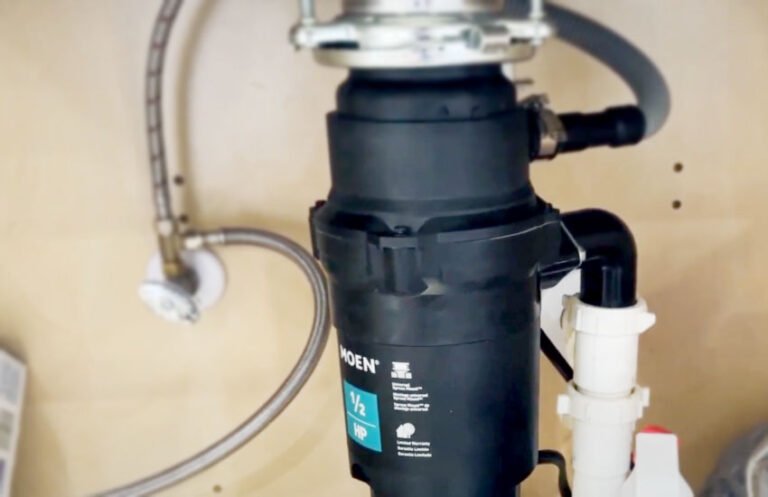
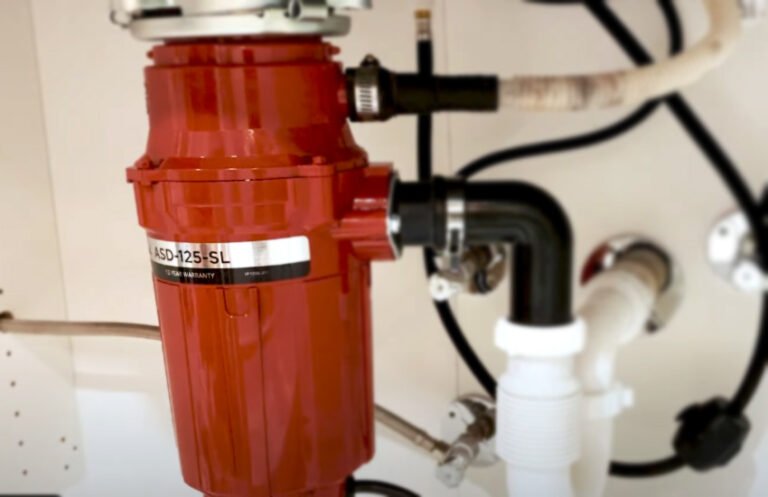
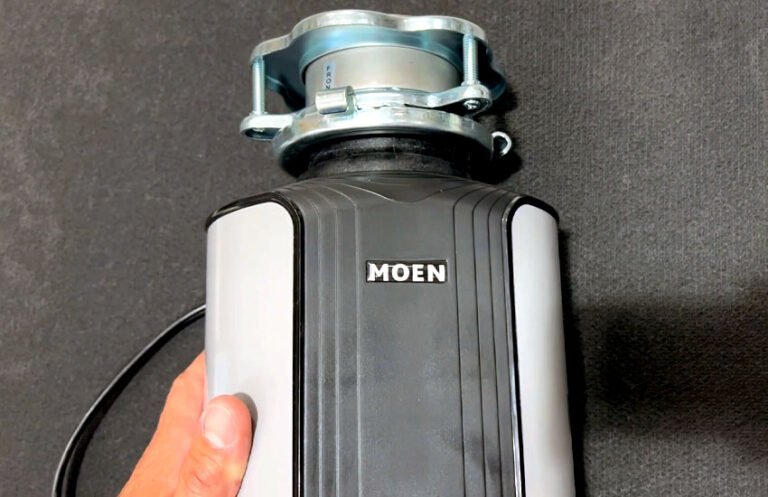
Before jumping into the “how-to” of getting something out of your garbage disposal, it's important to understand what's going on inside that noisy little machine under your sink. When you flip the switch, the motor kicks into gear, turning a set of blades that chop up food waste and push it down the drain. This process helps prevent clogs in your pipes and keeps your kitchen clean.
However, things don't always go smoothly. Sometimes, food scraps, utensils, or other random bits of junk make their way into the disposal and get stuck. These objects can obstruct the blades, causing your disposal to stop working or even get damaged.
Let's talk a little more about the parts inside the disposal. The garbage disposal has a grinder plate and a flywheel. These parts work together to grind up the food. The grinding chamber is where the food is broken down into smaller pieces, which then move through your plumbing pipes to the waste system.
You might think of your garbage disposal as a bit of a "magic" solution for food scraps, but it's not invincible. Certain things can get jammed and create a real mess. So what kind of stuff causes trouble? Well, bones, fruit pits, and hard objects like silverware can be problematic. So while garbage disposals are great for most food waste, you need to avoid putting anything too tough in them.
Common Items That Can Get Stuck in a Garbage Disposal
- Silverware and Small Kitchen Tools: This one seems like a no-brainer, but you’d be surprised how easy it is to drop a spoon or fork down the drain by accident. These objects can get wedged in the disposal and stop the blades from turning.
- Fibrous Foods: Things like celery, corn husks, and asparagus might look harmless, but their tough, stringy fibers can tangle around the disposal blades and cause a jam.
- Bones and Fruit Pits: Hard objects like bones from chicken wings or peach pits are often too tough for the disposal to handle. They can easily get stuck and make the blades stop moving altogether.
- Grease, Oil, or Fat: While these aren't physical objects, they can turn into solid masses and form clogs in the pipes if not disposed of correctly.
Safety Precautions Before Attempting to Remove an Obstruction
Alright, now that we have a good understanding of how your garbage disposal works and what could go wrong, it's time to talk safety. If you're ready to get in there and fix the issue, it's crucial that you take some necessary precautions. You definitely don't want to end up in the ER because you weren't careful.
The first rule of thumb? Always, always turn off the power to the garbage disposal before you put your hand anywhere near it. Most disposals have a simple power switch, but it's also a great idea to unplug it from the outlet, especially if you're not 100% sure where the switch is.
Unplugging the Garbage Disposal
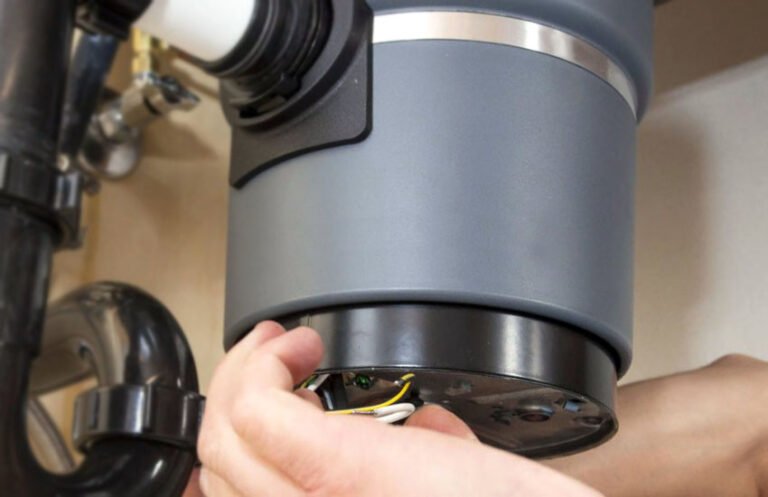
Before you do anything, unplug your garbage disposal. This is the best way to ensure there is zero power running to the unit while you're working on it. In most cases, disposals are connected to an electrical outlet under the sink. Simply disconnect the power source to avoid any unexpected shocks.
Use Protective Gear
Although it might seem like a simple task, reaching into your garbage disposal can expose you to germs, bacteria, and even sharp objects. Wearing rubber gloves is a good idea to protect your hands from any potential cuts or contact with harmful substances.
Avoid Using Your Hands Right Away
The next thing you need to remember is don't stick your hands directly into the disposal right off the bat. A lot of people make the mistake of blindly reaching into the drain, but this is dangerous. You can easily cut your hands on the disposal's metal parts or accidentally turn the disposal back on, which could lead to injuries. Instead, you should be using a tool like tongs, pliers, or a broomstick to safely maneuver objects in and around the disposal.
Step-by-Step Guide to Removing an Object from the Garbage Disposal
Now that you're geared up and safe, let's dive into the actual process of getting that object out of your garbage disposal. The good news is that it's usually not as complicated as it seems. Most of the time, you can handle the problem yourself without having to call for professional help. Here's a detailed, step-by-step guide to walk you through the process.
Step 1: Disconnect the Power
Before you start, always unplug the garbage disposal. This is the number one rule to ensure that you don't end up accidentally turning it on. If you’re not able to reach the plug, find the switch that controls the disposal and turn it off completely.
Step 2: Use a Flashlight
Take a flashlight and shine it into the disposal to get a good look at what you’re dealing with. Is the object visible? Can you identify where it’s lodged? This is essential because you need to know what you're working with before diving in. If you can see the object clearly, you might be able to grab it with tongs or pliers right away.
Step 3: Remove the Object
Once you've located the problem, use pliers, tongs, or a long pair of kitchen tongs to pull the item out. If the object is stuck in the grinding chamber, don't force it. Sometimes a little wiggle with your pliers can loosen it up enough for you to pull it out gently.
Step 4: Rotate the Flywheel Manually
In some cases, you might have an obstruction that's really jammed up in there. If you can't remove the object easily with tongs or pliers, it's time to try a different approach. Use a long wooden spoon handle or a broomstick and carefully insert it into the disposal. You can manually rotate the flywheel (the part that turns the blades) to help free the object.
Step 5: Check for More Obstructions
Once you’ve removed the item blocking the disposal, check for anything else that could be causing an issue. Spin the flywheel again to make sure everything is moving smoothly. If you notice any more strange sounds or resistance, something else might be stuck in there.
Step 6: Test the Disposal
Finally, after you've successfully removed the obstruction, it's time to plug the disposal back in (or switch it on) and test it. Turn it on and listen carefully. Does it sound normal? Is there any strange noise or vibration? If everything works well, you're good to go! If not, you may need to repeat the process or contact a professional.
When to Call a Professional for Help
Sometimes, despite your best efforts, the issue might be too big for you to handle. It's important to recognize when it's time to step back and call in an expert. If you're not able to locate the object or if the disposal is making weird noises after you've tried everything, it's best to contact a plumber.
Signs You Need a Professional
- The disposal keeps getting jammed even after you've cleared the blockage.
- You notice leaks around the disposal.
- There are strange, persistent smells that don't go away with cleaning.
- The disposal isn't turning on, even after you've checked the power supply.
It's always better to play it safe when dealing with plumbing or electrical issues. Calling a pro may cost a bit more, but it can save you from making the problem worse.
I hope this guide has given you the tools and confidence to take on a garbage disposal jam like a pro. It's not as tricky as it seems, and with the right approach, you can solve the problem safely and efficiently. Remember to stay cautious, keep your hands out of harm's way, and don't hesitate to call a professional if you need help.
Frequently Asked Questions
Is it safe to put my hand in the garbage disposal?
No, it is not safe to put your hand in the disposal. Always turn off the power and use tools like tongs or pliers to remove any objects inside.
Can I fix a jammed garbage disposal myself?
Yes, you can fix a jammed garbage disposal yourself by following the steps outlined in this guide, such as using tongs and rotating the flywheel manually.
Do I need to turn off the water before fixing the garbage disposal?
Turning off the water isn't necessary when working on your garbage disposal, but you should always disconnect the power before attempting any repairs.
Is it okay to put food scraps in the garbage disposal?
Most food scraps can go in the disposal, but you should avoid fibrous foods, large bones, and oils that can clog the pipes.
Can a clogged garbage disposal cause a leak?
Yes, if the clog is severe, it may cause water to leak around the disposal, which can lead to further damage.
Is it possible for a garbage disposal to break if I overload it?
Yes, overloading your disposal with too much food waste can cause it to jam or even break. Always feed food scraps slowly.
Do I need professional help if my garbage disposal isn’t working?
If basic troubleshooting doesn't work and the disposal isn't turning on, you may need professional help to check for electrical or mechanical issues.
Can I use a drain cleaner for my garbage disposal?
Using harsh drain cleaners is not recommended for garbage disposals, as they can damage the unit. Instead, try using a homemade cleaner like baking soda and vinegar.