As an Amazon Associate, I earn from qualifying purchases at no extra cost to you.
Are Mason Jars Dishwasher Safe? The Truth and Expert Tips

I remember the first time I tried washing a stack of mason jars after a weekend of canning. I loaded them into the dishwasher with a bit of hesitation, imagining shards of glass flying everywhere. Are mason jars dishwasher safe? The answer might surprise you, and knowing the right tricks can save hours of scrubbing and frustration while keeping your jars shining like new.
Check the jar material and manufacturer instructions before using the dishwasher. Remove metal lids and bands unless specified as dishwasher safe. Place jars upright on the top rack to avoid chipping and uneven heating. Use a gentle or glass-friendly cycle, and avoid high heat drying when possible. Rinse jars thoroughly to remove sticky residues, and allow them to air dry fully to prevent trapped moisture. Inspect for chips or cracks before reuse, and rotate jars regularly for even cleaning results.
Understanding Mason Jar Materials and Durability
Not all mason jars are created equal. Most modern jars are made from tempered glass, which is surprisingly sturdy and can handle high dishwasher temperatures. But some vintage or decorative jars might have thinner glass or hand-painted designs that could chip or fade if subjected to the dishwasher's harsh cycles. Knowing the type of jar you have is the first step to keeping them pristine. I once ruined a set of my grandmother's painted jars by tossing them in the dishwasher without a second thought. The colors dulled, and the emotional connection felt a little broken.
The lids are a different story. Metal lids can rust if left in the dishwasher, especially if they aren't specifically labeled as dishwasher safe. Plastic lids fare better, but they can warp under high heat. To avoid this, I usually place the lids on the top rack or hand wash them gently with warm, soapy water.
Tempered glass jars tolerate both hot water and soap detergents well, but repeated exposure to high heat and aggressive detergent can etch the glass over time. I like to think of it as seasoning your kitchenware: a little patience extends their lifespan and keeps them looking new.
Another thing to consider is the dishwasher's design. Newer dishwashers with glass-specific cycles offer the safest environment for jars. Older machines might toss your jars around, causing chips or scratches. I learned this the hard way during a family gathering when a few jars didn't make it through a crowded dishwasher cycle.
- Tempered glass is durable; vintage or painted jars are fragile
- Metal lids may rust; plastic can warp
- Dishwasher quality affects jar longevity
- Handle sentimental jars with extra care
Preparing Mason Jars for Dishwasher Cleaning
Preparation is everything when it comes to washing mason jars in the dishwasher. The first step is rinsing off leftover food, jam, or pickling liquid. I remember dumping a sticky strawberry jam jar straight into the dishwasher once and regretting it when the residue hardened and left streaks. A quick rinse under warm water prevents this and gives the detergent a better chance at cleaning thoroughly.
Next, remove the metal bands and lids. Even if the manufacturer says some lids are dishwasher safe, separating them reduces rust risk and avoids the dreaded metallic smell mixing with your food. I always tell myself, a few extra seconds separating the parts now saves hours of scrubbing later.
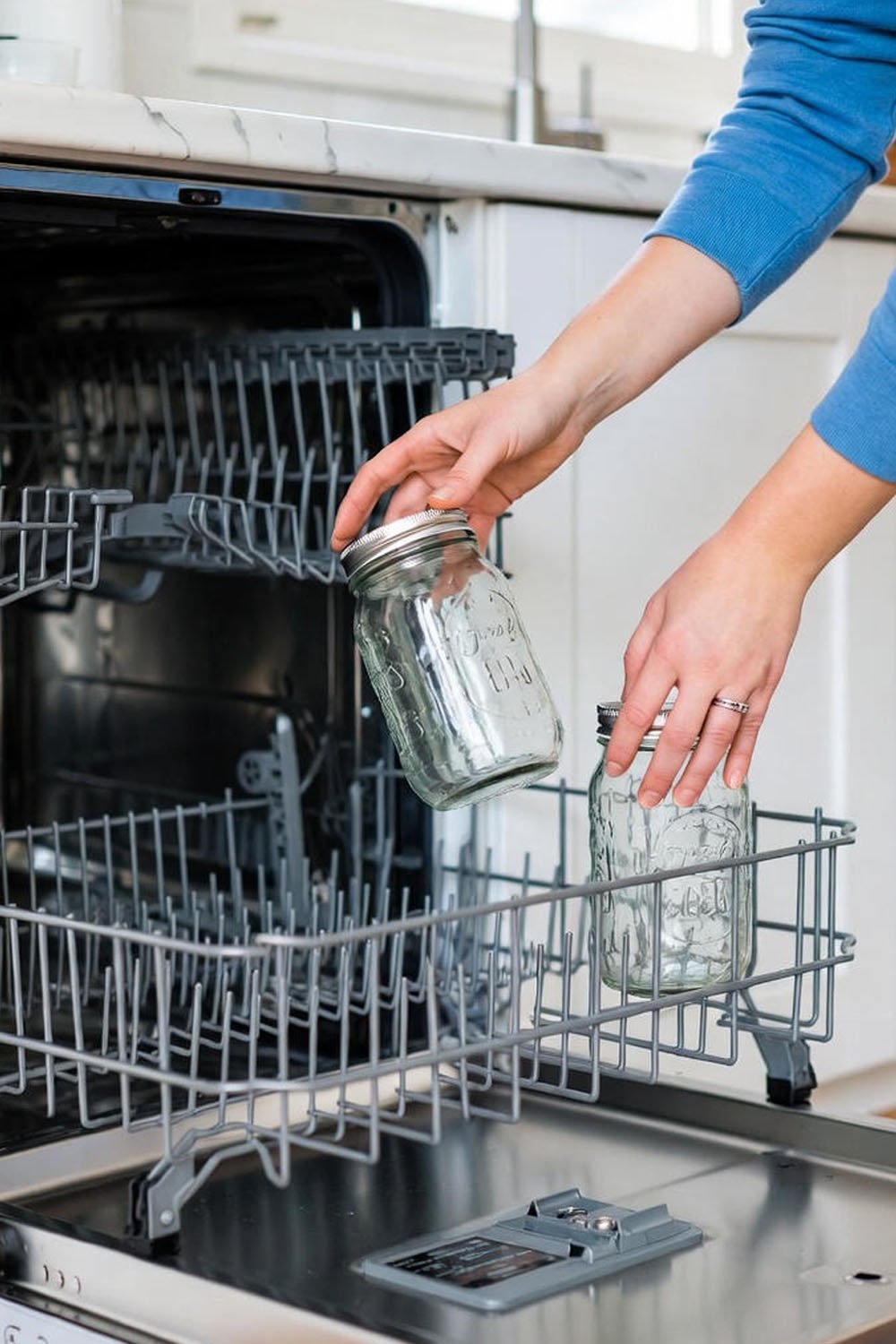
Placement in the dishwasher matters a lot. Mason jars should go upright on the top rack where water circulation is gentler. I learned to avoid the bottom rack after one too many jars clanging against pots. Using a dishwasher-safe basket for lids keeps them from falling into the machine's bottom and getting lost or damaged.
Finally, select the right cycle. Most dishwashers have a "glass" or "gentle" setting that reduces high-temperature exposure. If yours doesn't, I recommend a normal cycle with air-dry or low-heat drying. High heat can stress glass and warp lids over time. I've seen friends' jars crack because they ignored this, and it's heartbreaking to see a beloved jar split in half.
- Rinse jars to remove residue
- Remove lids and bands
- Place jars upright on the top rack
- Use gentle or glass-friendly dishwasher cycle
Common Mistakes to Avoid When Washing Mason Jars
Even seasoned jar users can make mistakes in the dishwasher. One time I overloaded the machine, cramming five jars and a few glasses on one rack. By the end, one jar had a tiny chip. Overcrowding not only prevents proper cleaning but also risks breaking your jars. Leaving enough space between them ensures water reaches every surface without clanging against another jar.
Another mistake is ignoring metal lids. They can rust, stain other dishes, and sometimes trap water underneath, creating a funky smell. I once forgot a lid, and the next day, a rusty ring had formed. It's an easy oversight, but a costly one for your jars and your dishwasher.
Using harsh detergents can also damage jars over time. I once switched to a cheap detergent with strong phosphates, and over a few months, my jars started looking cloudy. Opting for gentle or glass-safe detergents keeps them crystal clear.
Finally, don't skip the air-dry step. Moisture trapped under lids or in jars can create a breeding ground for bacteria. I always leave them upside down on a towel after the dishwasher, even if the machine's drying cycle is active. This small habit gives me peace of mind and sparkling jars every time.
- Avoid overcrowding the dishwasher
- Remove all metal lids
- Use gentle detergents
- Air-dry jars fully
Tips for Maintaining Mason Jars Over Time
Keeping mason jars looking new isn't just about dishwasher safety; it's also about daily care. I store mine in a cabinet with a soft towel underneath to prevent scratches. Just like a pair of cherished shoes, a little care keeps them functional and beautiful for years.
Rotating jars regularly also helps. If some sit in the back for months, dust and moisture can accumulate. I learned this after discovering a faint mold smell in a forgotten jar. A quick rotation and occasional inspection prevent unwanted surprises.
Avoid stacking jars inside each other. The friction can scratch or chip the glass. Instead, place them side by side or use protective liners if stacking is unavoidable.
Finally, inspect lids and bands for rust or warping before each use. Even if the jar itself is perfect, a bad lid can compromise your contents. I now keep a small checklist to make sure every jar is ready for storage or canning season, making the process stress-free and organized.
- Store jars with cushioning
- Rotate regularly to prevent dust and moisture
- Avoid stacking jars directly
- Inspect lids and bands before use
Alternative Cleaning Methods for Sensitive Jars
Sometimes the dishwasher isn't the best option, especially for delicate or painted jars. Hand washing with warm water and mild dish soap is a gentle alternative. I keep a soft sponge and a bottle brush specifically for mason jars, making the process easier and safer.
For stubborn residues like sticky syrup or dried jam, soaking the jar in warm water first works wonders. I learned this trick while cleaning after a jam-making marathon—it saved both time and effort.
Baking soda paste is another trick I love. It gently removes cloudiness without scratching the glass. Just a dab, a little scrub, and your jars shine like they did on day one.
Finally, drying jars properly is crucial. I air-dry them upside down, ensuring all moisture escapes. If you're short on time, a microfiber cloth works well without leaving lint. These alternative methods keep sensitive or sentimental jars safe without compromising cleanliness.
- Hand wash delicate jars
- Soak stubborn residues first
- Use baking soda for cloudiness
- Air-dry or use a microfiber cloth
Caring for Lids and Bands Separately
Many people forget that lids and bands need attention too. Metal lids can rust, so I always hand wash them and dry immediately. I've ruined a few sets in the past by leaving them wet in a drawer. Plastic lids are easier but can warp if exposed to high heat in the dishwasher.
Bands should be inspected for bends or corrosion. Even if the jar is perfect, a damaged band can prevent a proper seal. I keep a small box with extra bands on hand for replacements—it's a lifesaver during canning season.
If lids or bands are particularly sticky, soak them in warm soapy water first. I once tried scrubbing a sticky honey jar lid directly in the dishwasher, and it came out still tacky. A little patience beforehand prevents frustration later.
Finally, store lids and bands separately from jars to reduce the risk of damage. I use a small drawer organizer, making it easy to grab the right lid when needed and ensuring they last for years.
- Hand wash metal lids to prevent rust
- Inspect bands for wear
- Soak sticky lids before washing
- Store lids and bands separately
Final Thoughts
Mason jars are simple, practical, and sentimental kitchen staples. Knowing they are dishwasher safe with a few precautions makes cleaning effortless and stress-free. Treat them gently, inspect regularly, and follow these tips to ensure your jars last for years. With care and attention, they will stay sparkling and ready for jams, pickles, or storage, making every kitchen moment a little brighter.
| Action | Details | Tips |
|---|---|---|
| Rinse jars | Remove sticky residues | Warm water works best |
| Remove lids | Prevent rust and warping | Separate metal and plastic lids |
| Place jars | Top rack upright | Avoid overcrowding |
| Cycle selection | Gentle or glass-friendly | Avoid high heat cycles |
| Inspect jars | Look for chips or cracks | Discard damaged jars |
| Air-dry | Upside down on towel | Prevent moisture buildup |
| Hand wash sensitive jars | Use mild soap | Avoid painted or antique jars in dishwasher |
| Rotate jars | Prevent dust and stale odors | Regular use keeps them fresh |
Frequently Asked Questions (FAQs)
Is it safe to put mason jars in the dishwasher every day?
Yes, most modern mason jars made from tempered glass are safe for daily dishwasher use. However, repeated exposure to high heat and strong detergents can cause etching or cloudiness over time. It's best to use the gentle or glass-specific cycle, remove lids, and ensure jars are placed upright. For painted, vintage, or decorative jars, daily dishwasher use is not recommended as the design may fade or chip.
Can metal lids be washed in the dishwasher?
Metal lids can technically go in the dishwasher if labeled dishwasher safe, but frequent exposure to water and heat increases the risk of rust. Hand washing with warm, soapy water and drying immediately is safer. Keeping them separate from jars in a drawer helps maintain their integrity and prevents corrosion. Rusty lids can compromise the seal, which is especially important for canning or storing food.
Do I need to rinse jars before putting them in the dishwasher?
Rinsing is highly recommended. Sticky residues, dried jam, or pickling liquids can harden and prevent proper cleaning, leaving streaks. A quick rinse under warm water ensures detergent works efficiently and avoids unpleasant odors. Even a small amount of leftover residue can affect taste, so a little effort beforehand saves a lot of hassle later.
Is it okay to stack mason jars in the dishwasher?
Stacking jars inside each other is not recommended. Friction can scratch or chip the glass, and water circulation may be uneven, leading to poorly cleaned jars. Place jars upright and spaced apart, ideally on the top rack, to ensure full exposure to water and detergent. This approach keeps jars safe and sparkling.
Can dishwasher detergents damage mason jars?
Harsh detergents can cause cloudiness and etching on glass over time. Mild, glass-safe detergents are recommended. I once used a strong detergent and noticed my jars becoming dull within months. Opting for a gentler option keeps glass clear, shiny, and enjoyable for years.
Do I need to air-dry jars after dishwasher cycles?
Air-drying is highly recommended. Even with the dishwasher's drying cycle, moisture can get trapped under lids or inside jars, encouraging bacteria growth. Placing jars upside down on a towel ensures complete drying and helps maintain a fresh, clean smell.
Is it safe to put antique mason jars in the dishwasher?
Antique jars are fragile and should never go in the dishwasher. High heat, water pressure, and detergent can chip, crack, or fade designs. Hand washing gently with mild soap and a soft sponge is the safest option. These jars often have sentimental or collector value, so extra care is worth it.
Can plastic lids go in the dishwasher?
Plastic lids can generally withstand dishwasher cycles, but high heat can warp them over time. Top rack placement is safest. To extend their life, hand washing with warm, soapy water is recommended, especially for older or thinner plastic lids.