As an Amazon Associate, I earn from qualifying purchases at no extra cost to you.
Can You Microwave Mason Jars? The Truth and Expert Tips

If you've ever stared at a mason jar filled with last night's soup and wondered, "Can I just pop this in the microwave?" you're not alone. I remember the first time I tried it—I held my breath as steam curled out, and my kitchen filled with a cozy, warm aroma. But I also learned the hard way that not all mason jars are microwave-safe. Let's explore what works, what doesn't, and how to avoid a mess or a broken jar.
Check your mason jar for microwave-safe labeling and avoid jars with metal lids or rings. Remove the lid and leave it slightly loose if heating. Start with short bursts of 30–60 seconds, stirring in between. Avoid thermal shock by not moving the jar from freezer or fridge directly into the microwave. Use oven mitts or a towel to handle hot jars, and let them rest briefly before eating or transferring liquids. Choose wide-mouth jars for even heating, and always inspect for cracks or chips before microwaving.
Understanding Mason Jar Materials
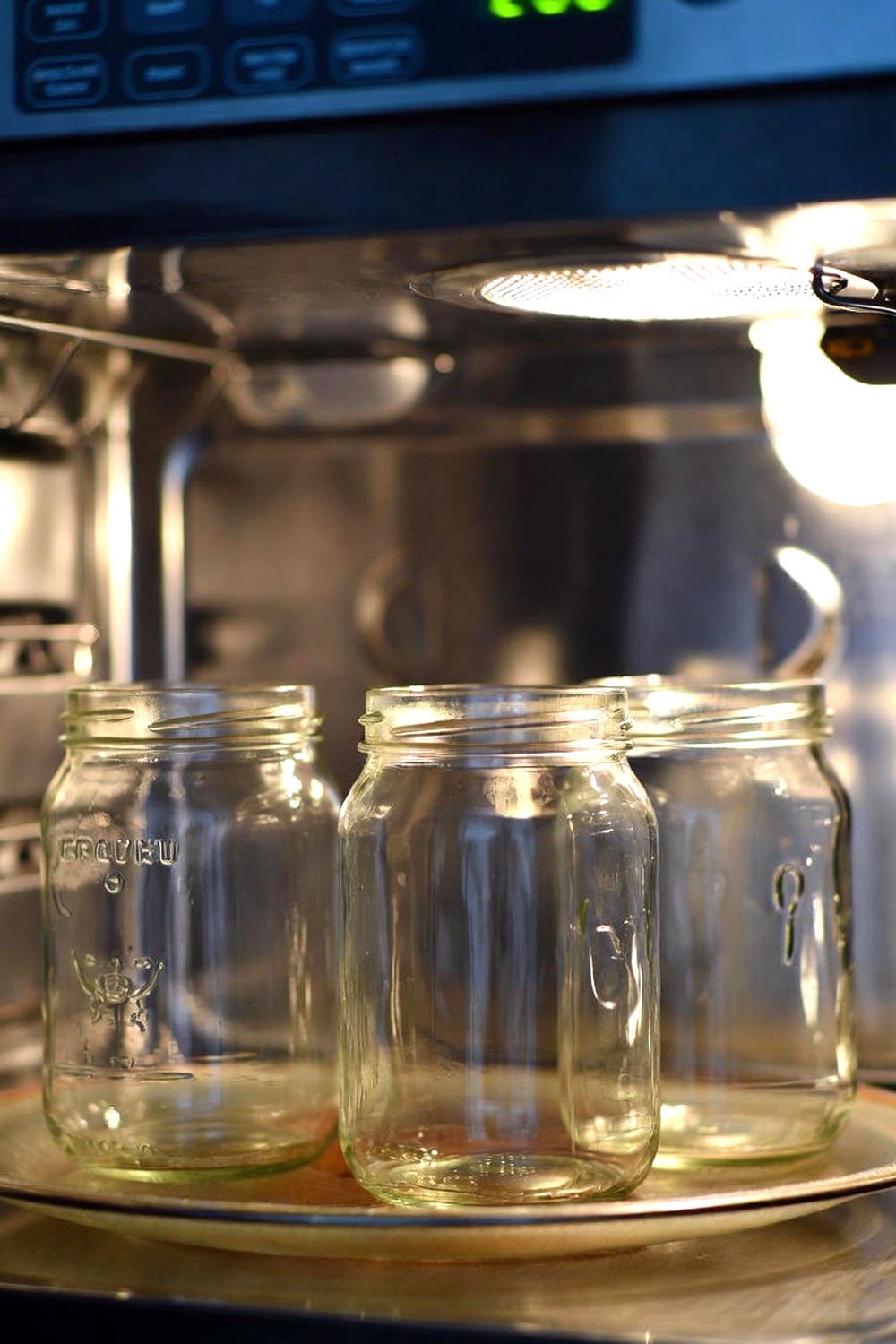
Mason jars are made of tempered glass, which means they can handle temperature changes better than ordinary glass. That said, "better" does not mean "indestructible." I once tossed a half-frozen smoothie into a mason jar, only to hear a sharp crack as the bottom gave way. Tempered glass can handle microwaving, but sudden extreme temperature changes can still cause breakage. The best practice is to avoid jars that have been in the freezer or fridge for long periods without letting them sit at room temperature first.
Another key factor is the type of lid. Metal lids, which are classic with mason jars, cannot go in the microwave. Even leaving a thin metal rim can spark and damage your microwave. Some newer jars have plastic lids designed for microwaving, but check the manufacturer's instructions to be safe. It's worth investing in a few microwave-safe lids if you plan to heat meals regularly in jars.
Finally, size and shape affect heating. Wide-mouth jars distribute heat more evenly, whereas narrow jars can trap steam and create hot spots. Hot spots may scald your hands or even crack the glass. Think of it like baking cookies in a pan that's too small; everything gets uneven heat.
- Tempered glass handles heat but avoid sudden temperature changes.
- Remove metal lids and check for microwave-safe labeling.
- Wide-mouth jars heat more evenly.
- Always inspect for cracks or chips before microwaving.
How to Safely Microwave Mason Jars
Microwaving mason jars isn't rocket science, but it helps to follow a few simple rituals. First, always remove the lid or at least loosen it. Steam builds quickly inside a sealed jar, and without an escape, it can explode. I learned this after a rushed lunch incident where a soup jar hissed violently as I opened it too soon. A small pause after heating prevents this from happening.
Next, start with shorter heating intervals. I like to microwave soup in 30- to 60-second bursts, stirring in between. This prevents uneven heating and ensures the middle doesn't stay cold while the edges are scalding. Think of it as coaxing the soup to warm gently rather than shocking it.
Using a microwave-safe plate under the jar is another trick. If a spill happens, cleanup is easier, and the plate also provides a buffer against direct microwaving on a bare glass surface. Always handle the jar with care afterward. Even if it looks fine, the glass will be hot, and a towel or oven mitt makes all the difference.
Finally, allow the jar to sit for a few moments before removing or drinking. Heat continues to spread, and you avoid sudden burns. This tiny habit has saved me more than once from a scalding encounter.
- Remove lids or loosen to release steam.
- Heat in short intervals and stir.
- Use a plate under the jar for safety and cleanliness.
- Handle with mitts or a towel and let sit briefly.
Common Mistakes to Avoid
One of the biggest mistakes is putting a cold jar straight into a hot microwave. Thermal shock can turn your trusted jar into a cracked disaster. I remember making a smoothie in a frozen jar and nearly cried as it shattered on the counter. To prevent this, always let frozen or refrigerated jars sit at room temperature for a few minutes.
Another mistake is forgetting the lid. Even a loose metal rim can spark, causing smoke or damage. Always double-check. Overfilling is also common. Mason jars are beautiful for layered salads or soups, but leave some headspace so liquids have room to expand while heating.
Skipping the stirring step can leave scalding hot spots. A spoonful of cold liquid at the top can trick you into thinking the jar is safe when the bottom is bubbling. I learned this the hard way when pouring hot soup from a jar onto my hand—it's an unpleasant surprise I wouldn't wish on anyone.
Finally, ignoring cracks or chips is dangerous. Even a tiny flaw can worsen with heat, causing the jar to fail unexpectedly. Treat your jars like fine glassware: inspect them before microwaving, and retire any that show signs of stress.
- Avoid thermal shock from cold to hot.
- Never microwave with metal lids.
- Leave headspace to prevent overflow.
- Stir to prevent hot spots.
- Inspect for cracks or chips before heating.
Creative Ways to Use Mason Jars in the Microwave
Once you know the rules, mason jars open a world of convenient microwaving. Breakfast oatmeal is my favorite. I layer oats, milk, and fruit directly in the jar, microwave in bursts, stir, and let it sit. The jar keeps the oatmeal warm for later, and cleanup is just a rinse.
Soup reheating is another gem. Leftovers in jars reheat faster than in a bowl because you're working with a concentrated container. Wide-mouth jars allow easy stirring and tasting, avoiding any hot-spot surprises. I even experimented with single-serving mac and cheese, cooking noodles in the jar with water, then adding cheese—pure kitchen magic.
Desserts like mug cakes can also shine in jars. You can mix and microwave, then store directly in the jar for a snack later. Mason jars also double as storage, so there's less dishwashing and fewer containers to juggle. It feels surprisingly satisfying to microwave, eat, and store all in one vessel.
You can even use jars for steaming vegetables or reheating rice. Cover loosely with a microwave-safe lid or plate, and the jar becomes a tiny steamer. Just remember the basic safety rules: no metal, short intervals, and careful handling. The possibilities are limited only by your imagination.
- Breakfasts, soups, and desserts heat well in jars.
- Use wide-mouth jars for easy stirring.
- Microwave then store directly in the jar.
- Steam vegetables with loose covering.
Troubleshooting Hot Jars and Spills
Even with care, mishaps happen. Hot jars can bubble over, crack, or scald. If a spill occurs, stop the microwave and wait a few moments before opening. Opening too soon can release a pressurized rush of steam. I once learned this while microwaving chili, and the resulting steam burn reminded me to respect the process.
If your jar develops hot spots, stir immediately. I keep a long-handled spoon handy for deep stirring without burning my fingers. Wide jars help, but occasional stirring is key to even heat.
Should a jar crack slightly, discard it. Even small fractures can worsen in future microwaving. Always keep backup jars on hand. For minor spills, using a plate or paper towel underneath during heating makes cleanup painless.
Lastly, if you notice that liquids are spattering or the jar feels unstable, reduce microwave power or heat in shorter intervals. A little patience goes a long way in preserving both your food and your jars. A calm, careful approach turns potentially messy experiences into simple, safe routines.
- Stop microwave if bubbling over.
- Stir immediately to prevent hot spots.
- Discard cracked jars.
- Use plate or towel to catch spills.
- Reduce power or interval if unstable.
Final Thoughts
Microwaving mason jars is a mix of science, patience, and a bit of kitchen intuition. Follow safety rules, respect heat, and use wide-mouth jars for best results. With small precautions, you can enjoy the convenience, minimal cleanup, and even a bit of joy in heating, serving, and storing all in one vessel. It's a simple habit that makes everyday meals feel smarter and cozier.
| Action | Details | Tips |
|---|---|---|
| Check jar type | Use only microwave-safe jars | Avoid cracked or chipped glass |
| Remove lids | Metal lids cannot go in microwave | Loosen plastic lids for steam escape |
| Short intervals | Heat 30–60 seconds at a time | Stir between intervals |
| Avoid thermal shock | Let frozen/refrigerated jars sit first | Room temperature for 5–10 minutes |
| Stir liquids | Prevent hot spots | Use long-handled spoon |
| Use wide-mouth jars | Even heat distribution | Narrow jars trap steam |
| Plate underneath | Prevent spills and ease cleanup | Microwave-safe plate recommended |
| Handle carefully | Jar will be hot | Use towel or oven mitt |
Frequently Asked Questions (FAQs)
Is it safe to microwave mason jars with metal lids?
No, it is not safe. Metal in the microwave can spark and cause fires, damage the microwave, and even crack the jar. Only remove metal lids and use microwave-safe alternatives. Loosely covering with a microwave-safe lid or plate is much safer.
Can I microwave a frozen mason jar?
It is not recommended to microwave frozen jars directly. Sudden temperature changes can cause thermal shock, cracking the glass. Allow jars to sit at room temperature for several minutes before microwaving. Gradually heat in short intervals to avoid accidents.
Do I need to stir food in mason jars?
Yes, stirring is crucial. Mason jars can create hot spots that may burn you. Stirring ensures even heating, especially for thick soups, oatmeal, or layered meals. Always use a long-handled spoon for safety.
Is all mason jar glass microwave-safe?
Not all mason jars are microwave-safe. Check for labeling or manufacturer instructions. Tempered glass can usually withstand microwave heat, but cracks, chips, or old jars may break unexpectedly. Always inspect before use.
Can I microwave mason jars with plastic lids?
Only if the lids are specifically labeled microwave-safe. Loosely covering the jar allows steam to escape safely. Avoid tight-sealing lids to prevent pressure build-up and spills.
Do I need to leave headspace in the jar?
Yes, leave some space at the top to allow liquids to expand during heating. Overfilling increases the risk of spills, pressure buildup, and burns. Wide-mouth jars make this easier.
Can I use mason jars for reheating desserts?
Absolutely. Single-serving desserts like mug cakes or custards heat well in jars. Use microwave-safe lids or plates, stir if necessary, and follow safety guidelines to prevent spills or burns.
Is it safe to microwave jars for steaming vegetables?
Yes, loosely covering vegetables in a wide-mouth jar can create a mini-steamer. Use short intervals, stir occasionally, and handle the hot jar carefully. Avoid metal lids.