As an Amazon Associate, I earn from qualifying purchases at no extra cost to you.
Can You Put China in the Microwave? What Most People Get Wrong

You're reheating leftovers, grab a plate from the cabinet, and pause. Can you put china in the microwave without ruining it or causing sparks? Many people assume all china is microwave-safe, but that's not always true. I've seen cracked plates, burned food, and even damaged microwaves from simple mistakes. Let's clear this up so you can heat food safely and confidently.
Check the bottom of your china for a microwave-safe label before heating. Avoid china with gold or silver trim because metal causes sparks. Use short heating times and touch-test the dish carefully. Watch for cracking sounds or unusual heat. When unsure, switch to glass or ceramic labeled microwave-safe. These small habits prevent damage to your dishes and keep your food safe to eat.
What "China" Really Means in Microwave Use
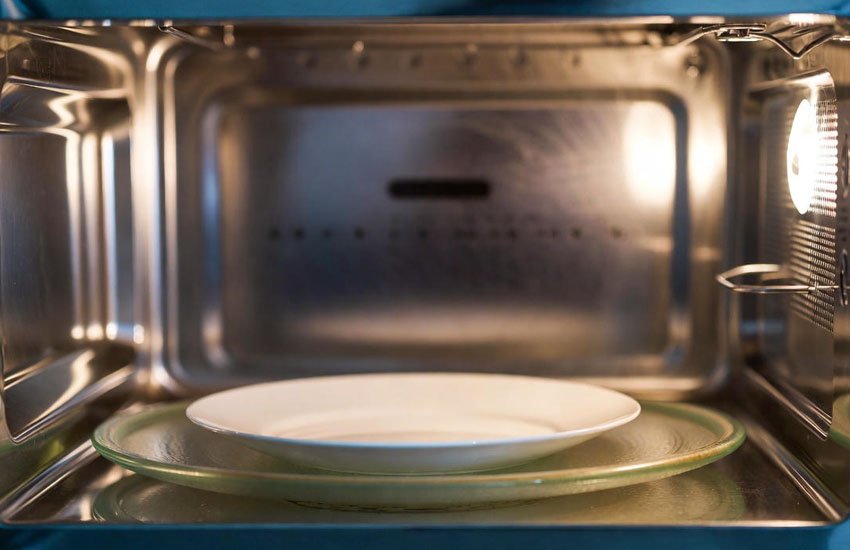
China isn't just one material, and that's where most confusion starts. In kitchens, "china" usually means fine porcelain or bone china used for everyday meals or special occasions. These materials are fired at high temperatures, which makes them strong, but that doesn't automatically make them microwave-safe. Some china handles microwave heat well, while others trap heat unevenly and crack.
Another issue is decoration. Many china plates look plain but still have metallic paint or glaze mixed into the design. Even thin metallic lines can react badly in a microwave. They may spark, overheat, or damage the plate. I've seen people assume "no visible metal" means safe, only to find hidden metallic glaze causing trouble.
The thickness of china also matters. Very thin china can heat too fast and crack from sudden temperature changes. Thicker pieces may feel cool at first but become extremely hot underneath. This uneven heating can burn your hands or ruin food texture.
Finally, age plays a role. Older china, especially inherited sets, often wasn't designed with microwave use in mind. Manufacturing standards were different, and microwave-safe testing wasn't common. Treat older pieces with extra caution.
- China varies by material, thickness, and age
- Decorative glazes may contain hidden metal
- Thin china cracks more easily under heat
- Older sets are less likely microwave-safe
✅ Also Read: Are Bentgo Boxes Microwave Safe? Honest Safety Guide
How to Tell If China Is Microwave-Safe
The easiest check is flipping the plate over. Manufacturers usually mark microwave-safe china clearly on the bottom. If you see symbols or words saying "microwave safe," that's your green light. If there's no label, you need to be more careful and do a simple test.
A common home test involves placing the empty china dish in the microwave with a cup of water. Heat for one minute. If the plate stays cool and the water heats up, the china is likely safe. If the plate gets hot while the water stays lukewarm, stop using it in the microwave. That heat means the dish is absorbing microwave energy, which can lead to cracking.
Look closely at the surface. Shiny rims, gold lines, silver edges, or raised patterns often mean metal is present. Even small metallic accents can cause sparks. When in doubt, assume it's not safe.
Listen and watch during heating. Popping sounds, cracking noises, or sparks are warning signs. Stop immediately if you notice anything unusual.
- Check for microwave-safe labels underneath
- Use the water-and-plate heat test
- Avoid shiny or metallic decorations
- Stop heating if you hear or see warnings
Why Some China Cracks or Sparks in Microwaves
Microwaves heat food by exciting water molecules. Some china materials absorb this energy instead of letting it pass through. When that happens, the plate heats faster than the food, creating stress inside the dish. This stress can lead to hairline cracks or sudden breaks.
Sparking usually comes from metal. Metallic paint or trim reflects microwave energy, causing sparks and flashes. These sparks can damage the glaze, chip the plate, or harm your microwave's interior. Even if sparks are brief, repeated exposure weakens the dish.
Another cause is thermal shock. Taking cold china straight from the fridge into the microwave is risky. The rapid temperature change can crack the plate, especially if it's thin or already has small flaws.
Overheating is also common. Long heating times dry out food and overheat the dish. China that feels fine for one minute may become dangerously hot after three.
- China can absorb microwave energy unevenly
- Metal decorations cause sparks and flashes
- Sudden temperature changes crack plates
- Long heating times increase damage risk
Safe Ways to Microwave Food Using China
If you're confident your china is microwave-safe, use smart habits to reduce risk. Always start with short heating intervals, like 30 to 60 seconds. Stir food between intervals to distribute heat evenly. This prevents hot spots that overheat the dish.
Place food toward the center of the plate. Food near edges transfers more heat to the china, making rims hotter and more likely to crack. Cover food loosely with a microwave-safe lid or paper towel to reduce splatter and keep moisture in.
Handle with care after heating. Even microwave-safe china can get hot, especially underneath. Use oven mitts or a towel instead of bare hands. Let the dish rest for a few seconds before moving it.
Avoid stacking china in the microwave. Stacked plates trap heat and increase cracking risk. Heat one dish at a time for safer results.
- Heat in short bursts and stir often
- Keep food centered on the plate
- Use mitts and let dishes rest
- Never stack china while microwaving
When You Should Never Put China in the Microwave
Some situations are clear no-go zones. Any china with gold, silver, or platinum trim should stay out of the microwave. These metals almost always spark, even if the rest of the plate seems safe.
Cracked or chipped china is another risk. Small cracks expand under heat, leading to sudden breaks. Food can also seep into cracks, creating hygiene issues. If a plate is damaged, retire it from microwave use.
Antique or sentimental china should be treated gently. Even if it survives microwave use, repeated heating weakens the structure and dulls decorative finishes. It's better to preserve these pieces for serving only.
Lastly, if you're ever unsure, don't test your luck. Glass or modern ceramic containers labeled microwave-safe are safer and easier options for daily reheating.
- Never microwave metallic-trim china
- Avoid cracked or chipped pieces
- Protect antique or heirloom sets
- Choose safer containers when unsure
Best Alternatives to China for Microwaving
Modern microwave-safe glass is one of the best choices. It heats food evenly and doesn't absorb microwave energy the way some china does. Clear glass also lets you see food as it heats, reducing overcooking.
Microwave-safe ceramics are another solid option. These are designed and tested for microwave use, with glazes that won't spark or overheat. Always check labels, as not all ceramics are created equal.
Food-grade plastic containers work well for quick reheating, especially for leftovers. Use only BPA-free, microwave-labeled plastics to avoid chemical leaching. Avoid old or scratched plastic, which breaks down faster.
Silicone containers are gaining popularity. They're flexible, heat-resistant, and don't spark. For everyday use, they're practical and safe.
- Glass heats evenly and safely
- Labeled ceramics are reliable choices
- Use only microwave-safe plastics
- Silicone offers flexible, safe reheating
Frequently Asked Questions (FAQs)
Is it safe to microwave fine china?
Fine china can be microwave-safe, but only if it's labeled as such and has no metallic decoration. Many fine china pieces are thin and heat unevenly, which increases cracking risk. Always test with water first and use short heating times. If the plate gets hot quickly, switch to glass or ceramic.
Is it dangerous to microwave china with gold trim?
Yes, it is dangerous. Gold trim is metal, and metal reacts badly in microwaves. It can spark, damage the plate, and even harm the microwave. Even a thin gold line is enough to cause problems. Keep these plates for serving only.
Can bone china go in the microwave?
Bone china is often stronger than regular porcelain, but that doesn't guarantee microwave safety. Some bone china is microwave-safe if it has no metallic glaze and passes the water test. Always check the manufacturer's marking and heat carefully.
Can you put old china in the microwave?
Older china sets are usually not microwave-safe. Many were made before microwaves were common, and their glazes may contain metal. Heating them can cause cracking or sparks. It's best to avoid microwaving old or inherited china.
Do I need to worry if the china feels cool at first?
Yes. Some china stays cool on top while becoming very hot underneath. This uneven heating can burn your hands or cause cracks. Always use mitts and let the plate rest before handling.
Is it okay if my china only heats a little?
If the china warms slightly while the food heats properly, that's usually fine. However, if the plate becomes hotter than the food, stop using it in the microwave. That's a sign it's absorbing microwave energy.
Can I microwave china every day?
Only if it's clearly labeled microwave-safe and shows no signs of damage over time. Even safe china wears down with repeated heating. For daily use, glass or microwave-safe ceramic lasts longer and is safer.
Do I need special care after microwaving china?
Yes. Avoid sudden temperature changes, like rinsing hot china with cold water. Let it cool gradually to prevent cracking. Gentle care extends the life of your dishes and keeps them safe to use.
Final Thoughts
So, can you put china in the microwave? Sometimes yes, but only with the right checks and habits. Labels, design, and condition matter more than brand or appearance. When in doubt, choose safer containers. A few careful steps protect your dishes, your microwave, and your meals.
| Action | What to Look For | Safety Tip |
|---|---|---|
| Check label | "Microwave-safe" marking | No label means higher risk |
| Inspect design | Gold or silver trim | Never microwave metallic designs |
| Test with water | Plate cool, water hot | Stop if plate heats up |
| Heating time | Short intervals | Prevent overheating |
| Plate condition | No cracks or chips | Damaged china can break |
| Handling | Use mitts | Plates may be hotter underneath |
| Alternative choice | Glass or ceramic | Safer for daily use |