As an Amazon Associate, I earn from qualifying purchases at no extra cost to you.
Humidity Control in Refrigerator: Secret to Fresher Food

You might not think about it much, but humidity in your refrigerator plays a huge role in how fresh your fruits and veggies stay. Have you ever opened your fridge and found wilted lettuce, mushy strawberries, or rock-hard carrots? That's not just bad luck—it's poor humidity control. This article will help you understand everything about humidity in your fridge, why it matters, and how to control it the right way to keep your food fresh for longer and reduce waste.
Why Humidity Matters in a Refrigerator
When we talk about humidity in your refrigerator, we mean the amount of moisture in the air inside it. This moisture, or water in the air, can help keep some foods fresh—but too much or too little can ruin others. For example, leafy greens like spinach need a bit of moisture so they don't dry out and turn brown. But too much moisture can cause mold or make fruits like apples soft and mushy.
Humidity helps in balancing two important things: moisture loss and mold growth. If the air is too dry, fruits and vegetables will lose water and become shriveled or rubbery. If the air is too moist, it creates a wet environment that can grow bacteria or mold, especially on delicate produce like berries. So finding the right balance of humidity is important.
Refrigerators often have special drawers called crisper drawers. These drawers sometimes come with humidity control sliders that let you choose between high humidity and low humidity. Knowing which one to use—and when—can make a big difference in how your food lasts. If your fridge doesn't have a control, don't worry! There are still ways to manage the humidity manually using simple tricks.
Humidity also affects the taste and texture of food. Dry air can make your cheese crack, your vegetables limp, and your herbs lose flavor. But when the humidity is right, everything stays fresh, crisp, and delicious for much longer. You also save money by throwing out less food, which is great for your wallet and the planet.
So, understanding humidity isn't just a science thing—it's a super useful kitchen skill that helps you get the most out of your groceries. Let's dive into how it all works and how you can take control of it easily.
What Are Crisper Drawers and How Do They Work?
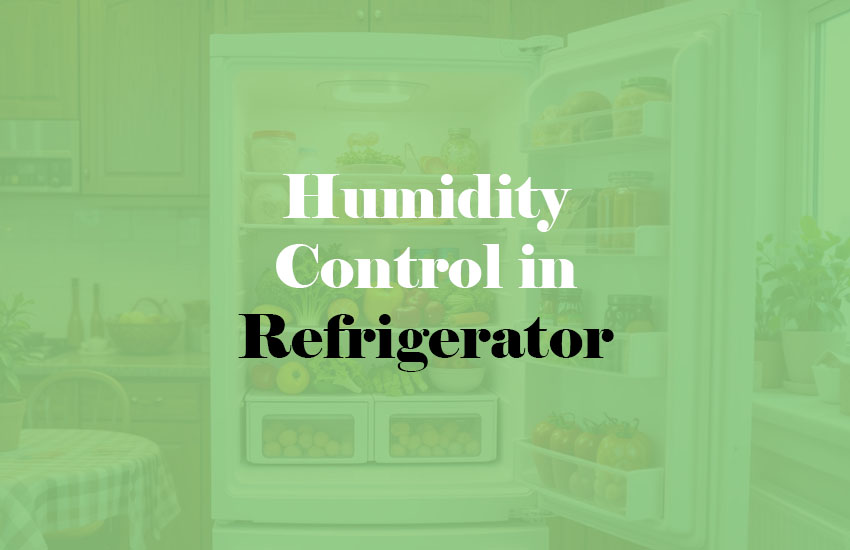
Inside your refrigerator, you might have noticed one or two drawers at the bottom. These are called crisper drawers. They are special compartments made just for storing fruits and vegetables. But what makes them so different from the rest of the fridge? The answer is humidity.
Crisper drawers are designed to trap moisture inside them. Some refrigerators come with crisper drawers that let you adjust how much moisture stays in the drawer. You'll often see a little slider with words like "High" and "Low." These are your humidity controls.
When you set the drawer to "High Humidity," it means the drawer holds in more moisture. This setting is great for leafy greens like lettuce, spinach, and kale. These types of vegetables need more water to stay crisp and fresh. If the air is too dry, they wilt quickly and lose their crunch.
When you set the drawer to "Low Humidity," it allows more air to flow out of the drawer. This reduces the moisture inside, which is good for fruits that don't like too much water. Apples, pears, and grapes do better in a drier environment because too much moisture can cause them to rot faster.
Here's a simple way to remember:
- Use High Humidity for vegetables that wilt (like leafy greens, broccoli, and carrots).
- Use Low Humidity for fruits that rot (like apples, berries, and melons).
The crisper drawer works by keeping a separate air environment inside it. The rest of the fridge is cold and often dry, which can be tough on fresh produce. The crisper drawer acts like a mini greenhouse—it gives your fruits and veggies just the right kind of air they need.
If your fridge doesn't have humidity control sliders, don't worry. You can still use the drawers in smart ways. For example, put leafy vegetables in one drawer and keep it closed tight. For fruits, store them in the other drawer with a paper towel to soak up extra moisture.
Understanding how these drawers work helps you use your refrigerator better. It might seem like a small thing, but the right drawer with the right humidity can keep your food fresh for days—or even weeks—longer than if you stored it on the regular shelves.
How to Use High Humidity Settings Correctly
High humidity settings in your crisper drawer are great for vegetables that need lots of moisture to stay fresh. If your vegetables are wilting, drying out, or losing their crispness, it might mean the humidity is too low. Setting your drawer to high humidity can solve that problem quickly.
So, what does high humidity really mean? It means the drawer holds in most of the air and moisture, keeping it moist inside. Air doesn't flow out as easily, and this traps the water from the vegetables inside the drawer. That's why it's so perfect for greens and water-rich vegetables.
Here's a list of vegetables that do well in high humidity:
- Lettuce
- Spinach
- Kale
- Swiss chard
- Broccoli
- Cauliflower
- Carrots
- Cucumbers
- Peppers
- Green beans
These vegetables need to stay moist to keep their crunch and color. Without enough moisture, they become rubbery or limp. In high humidity, they stay crisp and look fresher for longer.
To use the high humidity setting the right way, make sure your drawer is clean and not overfilled. If the drawer is too packed, the air can't move around, and that can cause uneven humidity levels. Also, store vegetables in breathable bags or loose produce bags, not sealed plastic ones, so they can breathe while still staying moist.
You can also place a damp paper towel in the drawer if it seems too dry. This adds extra moisture and helps keep the humidity high. Check on your produce every few days to make sure nothing is spoiling. A rotten vegetable can release gases and moisture that affect the others.
If your fridge doesn't have a slider for humidity, just close the drawer tightly and use it only for your greens and moist vegetables. That will naturally create a higher humidity environment without needing a special control.
Using high humidity the right way means less waste and better-tasting meals. You'll notice your salads stay fresher, your stir-fry vegetables are crunchier, and you won't have to throw away nearly as much food.
How to Use Low Humidity Settings Correctly
Low humidity settings are best for fruits and vegetables that are sensitive to moisture. When the air is too damp, certain fruits can get soft, moldy, or start to break down quickly. Low humidity lets air out of the drawer, keeping it drier inside and helping those items last longer.
This setting is often called the "fruit setting" on some refrigerators. That's because many fruits naturally give off a gas called ethylene, which speeds up ripening. If you trap those gases in a moist environment, it can lead to over-ripening or even spoilage. Low humidity helps prevent that.
Fruits and vegetables that do better in low humidity include:
- Apples
- Grapes
- Pears
- Mangoes
- Peaches
- Berries
- Melons
- Avocados
- Tomatoes (yes, technically a fruit)
When you store these in a low humidity drawer, they stay firm, fresh, and flavorful longer. But remember, not all fruits should be refrigerated. Bananas, for example, can turn black quickly in the fridge.
To use your low humidity drawer the right way, keep these tips in mind:
- Don't overfill the drawer. Too much produce blocks airflow.
- Keep similar fruits together to reduce mixed gas effects.
- Add a dry paper towel to soak up extra moisture.
- Clean the drawer often to remove old food particles.
If your fridge doesn't have a low humidity option, you can still create a drier space by cracking the drawer slightly open or using paper towels or mesh bags that let air flow better. This helps reduce the moisture and mimics a low humidity environment.
Also, avoid storing fruits and vegetables that release a lot of ethylene (like apples and avocados) with those that are sensitive to it (like strawberries or leafy greens). That way, you won't speed up spoilage by accident.
Using the low humidity setting properly means your fruits won't go bad as fast, and you'll enjoy them at their peak flavor. Whether you’re packing lunchboxes or preparing a fruit salad, fresh produce always makes a big difference.
Simple Tips to Control Humidity Without Special Settings
Not all refrigerators have fancy humidity controls or sliders on their drawers. But don't worry—there are still simple ways you can manage humidity and keep your food fresher, longer. You don't need to buy anything expensive or have a new fridge. Just a few easy tricks can help.
One of the best tools is the paper towel. If you're storing leafy greens or vegetables that need moisture, place a slightly damp paper towel in the container or bag with them. This adds just enough moisture to prevent drying out. On the other hand, if your fruits are too wet, a dry paper towel can absorb the extra moisture and prevent mold.
Another great tool is a breathable produce bag. These mesh or cotton bags allow air to flow while keeping your food protected. They're great for both high and low humidity needs, depending on what you put inside.
You can also use containers with loose-fitting lids. These keep the air circulating but still protect the food. If your fridge drawers don't have seals or are missing a slider, storing different types of produce in separate containers can help mimic the right humidity.
Separating fruits from vegetables is another good trick. Fruits like apples and bananas release ethylene gas that speeds up ripening. Keep them away from delicate vegetables like lettuce or spinach to stop them from going bad too quickly.
Even your fridge's layout matters. The top shelves tend to be drier, while the bottom drawers are naturally more humid. Use that to your advantage by storing fruits higher and greens lower.
Here's a quick list of tips:
- Damp paper towel for leafy greens
- Dry paper towel for berries and fruits
- Store fruits and vegetables separately
- Use mesh or cotton produce bags
- Keep drawers clean and not overfilled
With these easy methods, you can control humidity even without special fridge settings. Just a few small changes in how you store things can make a big difference.
How Humidity Affects Different Types of Food
Different foods react in different ways to moisture in the fridge. Understanding how humidity affects them can help you decide where and how to store them. It's not just about fruits and veggies—humidity can impact everything from cheese to leftovers.
Leafy greens need high humidity to stay crisp. When the air is too dry, they shrivel up and lose their texture. That's why storing them in the high humidity drawer or in a container with a moist paper towel works so well.
Fruits like apples and grapes prefer low humidity. When there's too much moisture, they start to break down, soften, and even mold. Keeping them in a dry space with air circulation helps them last longer.
Root vegetables like carrots, radishes, and beets also do well in high humidity. They need moisture to stay firm. Without it, they turn rubbery and lose flavor.
Cheese, especially soft kinds like mozzarella or brie, can spoil fast in too much moisture. It's better to store cheese in breathable wrap or containers with paper towels to absorb extra water. That way, the cheese stays tasty and doesn't get slimy.
Even leftovers can be affected. If stored in containers that trap too much moisture, the food may become soggy or grow mold faster. Using containers with tight seals and lining them with dry paper towels can help.
Bread, surprisingly, is best stored outside the fridge. The fridge's cold and damp air makes bread go stale faster. Only store bread in the fridge if it’s very humid or hot in your home and it molds quickly outside.
Understanding what your food needs in terms of humidity helps reduce spoilage, waste, and trips to the grocery store. It also keeps your meals more enjoyable and your fridge more organized.
I hope this guide helps you feel more confident in managing your refrigerator's humidity settings and storage methods so your food stays fresher for longer.
Frequently Asked Questions (FAQs)
Is it better to store all produce in the fridge?
No, not all produce should go in the fridge. Some fruits and vegetables do better at room temperature. For example, bananas, onions, potatoes, and garlic should stay out of the refrigerator. Cold temperatures can change their texture and taste. Tomatoes can also lose flavor and become mushy when stored in the fridge. On the other hand, leafy greens, berries, and most vegetables last longer in the refrigerator where it's cooler. Always check what each type of produce prefers so you don't accidentally shorten its shelf life.
Can I change the humidity settings after storing food?
Yes, you can change the humidity setting even after putting food in the drawer. If you notice your greens are wilting or your fruits are molding too fast, try switching the drawer to high or low humidity as needed. It's okay to adjust things while your food is already stored. Just be sure to check how the food is doing every few days and make small changes. Moving your items between drawers or containers can also help if your fridge doesn't have adjustable settings.
Do I need special bags to keep produce fresh?
You don't need special bags, but using breathable produce bags or mesh bags can help. They let air move around your food and reduce excess moisture, which can help things stay fresher longer. Plastic bags with no holes can trap moisture and speed up spoilage. If you don't have mesh bags, use regular bags with a few holes poked in them, or store produce in a container with a paper towel to manage the moisture. Simple changes can make a big difference.
Is it okay to mix fruits and vegetables in the same drawer?
It's usually better not to mix them. Many fruits give off ethylene gas, which speeds up ripening. Vegetables can be sensitive to that gas and go bad faster if stored nearby. For example, keeping apples with lettuce can make the lettuce wilt sooner. Try to store fruits and vegetables in separate drawers or containers. This not only keeps them fresher but also makes it easier to control humidity levels for each group.
Can a paper towel really help control humidity?
Yes, a paper towel is a simple but very effective tool. A damp paper towel adds moisture, which helps in high humidity settings, especially for greens. A dry paper towel can absorb extra moisture, which helps in low humidity drawers for fruits. It also helps prevent mold and rot by keeping the environment balanced. Paper towels are cheap, easy to use, and work surprisingly well when placed inside bags or containers with your produce.
Do I have to clean the crisper drawer often?
Yes, you should clean the crisper drawer regularly. Old bits of food, moisture, and spills can cause bacteria and mold to grow. This affects the freshness of new produce you put in there. Try to clean the drawer once every few weeks or when you switch out your produce. Use warm water and mild soap. Dry it fully before putting food back in. A clean drawer helps keep your food fresher and makes your fridge smell better, too.
Is it bad to overfill the drawers?
Yes, overfilling your drawers can actually cause problems. When too many fruits or vegetables are packed in tightly, air can't move around. This leads to uneven humidity and faster spoilage. It can also cause bruising or pressure marks on delicate items like berries or leafy greens. Always leave some space so the air can circulate. That way, all your food gets the benefits of the right humidity, and it stays fresh longer.
Can I use containers instead of fridge drawers?
Yes, you can use containers, especially if your fridge doesn't have separate drawers or humidity settings. Containers help separate foods and control humidity better. Use ones with loose lids for high humidity or ones with a paper towel inside to manage moisture. Clear containers also make it easier to see what you have and avoid forgetting food in the back of the fridge. Just be sure to label them or check on the contents often.